Building comparison
head to head
Blade RunnervsPokémon Quest
Neither is meaningfully harder - they pose close to the same test. The widest gap is variance, and it is a single point.
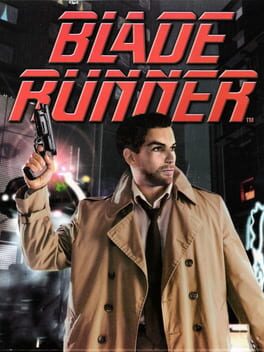
Blade Runner
Variance · Systems & Chaos
Detective work against randomised suspect identities that reshuffle every playthrough.
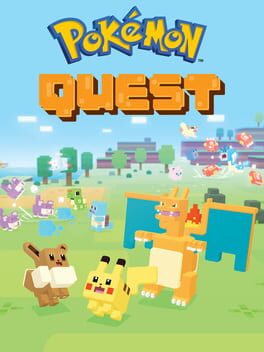
Pokémon Quest
Optimization · Systems & Chaos
Grinding random stone drops into stat loadouts that auto-battles then resolve.
Blade Runner leans Variance (Systems & Chaos); Pokémon Quest leans Optimization (Systems & Chaos).
Blade RunnerPokémon Quest
Axis by axis
Execution1 vs 1
Same score on execution - which means the number cannot separate them. The difference is in what each one asks of you.
Blade Runner
Point-and-click investigation, no dexterity required
Pokémon Quest
Auto-battling needs only occasional taps
Reads0 vs 0
Same score on reads - which means the number cannot separate them. The difference is in what each one asks of you.
Blade Runner
Suspects follow branching scripts, not adaptive minds
Pokémon Quest
Wild cube Pokémon follow simple scripts
Variance6 vs 5
Blade Runner leans a little harder on variance, though the gap is small.
Blade Runner
Replicant identities are randomised each playthrough
Pokémon Quest
Cooking ingredients and stone drops are random
Optimization5 vs 6
Pokémon Quest leans a little harder on optimization, though the gap is small.
Blade Runner
Evidence chains and questioning routes reward systematic detective work
Pokémon Quest
Power stone loadouts and team stats decide expeditions
A matching score does not mean a matching test. Two games can both sit at 10 on execution and demand completely different things of you - which is why the reasoning above matters more than the number beside it.