Building comparison
head to head
BloodbornevsWuthering Waves
Neither is meaningfully harder - they pose close to the same test. The widest gap is variance, and it is a single point.
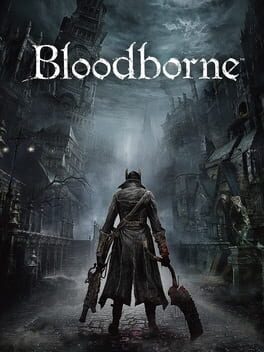
Bloodborne
Execution · Practiced Mastery
An aggressive soulslike about punishing fixed boss patterns with tight dodging.

Wuthering Waves
Execution · Practiced Mastery
A mechanically demanding action RPG where parry timing and echo build optimisation define endgame performance.
Bloodborne leans Execution (Practiced Mastery); Wuthering Waves leans Execution (Practiced Mastery).
BloodborneWuthering Waves
Axis by axis
Execution8 vs 8
Same score on execution - which means the number cannot separate them. The difference is in what each one asks of you.
Bloodborne
Aggressive dodges and rally timing demand sharp hands.
Wuthering Waves
Perfect dodges, Parry timing, and echo cancels are load-bearing
Reads1 vs 1
Same score on reads - which means the number cannot separate them. The difference is in what each one asks of you.
Bloodborne
Bosses follow fixed movesets; no model of you.
Wuthering Waves
PvE only; no adaptive human opponent to model
Variance2 vs 3
Wuthering Waves leans a little harder on variance, though the gap is small.
Bloodborne
Chalice dungeon layouts and drops add some randomness.
Wuthering Waves
Gacha pulls and echo substat RNG introduce meaningful hidden variance
Optimization7 vs 7
Same score on optimization - which means the number cannot separate them. The difference is in what each one asks of you.
Bloodborne
Builds, weapons, and boss patterns are studyable and solvable.
Wuthering Waves
Resonator builds and echo set synergies are deeply theory-crafted
A matching score does not mean a matching test. Two games can both sit at 10 on execution and demand completely different things of you - which is why the reasoning above matters more than the number beside it.