Building comparison
head to head
Command & Conquer: Red Alert 3vsWorld in Conflict
Neither is meaningfully harder - they pose close to the same test. The widest gap is execution, and it is a single point.

Command & Conquer: Red Alert 3
Reads · Grand Arena
Three-faction Cold-War RTS with naval combat where faction asymmetry and multi-front pressure are the core tests.
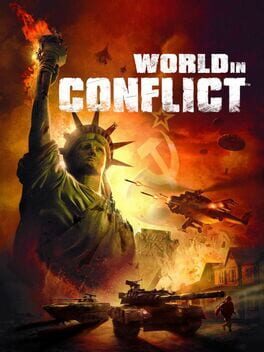
World in Conflict
Reads · Mind & Math
Cold-War-gone-hot tactical RTS with no base building, just role-based unit warfare and nukes.
Command & Conquer: Red Alert 3 leans Reads (Grand Arena); World in Conflict leans Reads (Mind & Math).
Command & Conquer: Red Alert 3World in Conflict
Axis by axis
Execution6 vs 5
Command & Conquer: Red Alert 3 leans a little harder on execution, though the gap is small.
Command & Conquer: Red Alert 3
Naval and air micro alongside base-building taxes player bandwidth
World in Conflict
Fast tactical micro and ability timing under fire
Reads7 vs 6
Command & Conquer: Red Alert 3 leans a little harder on reads, though the gap is small.
Command & Conquer: Red Alert 3
Three-faction asymmetry means opponent choices must be constantly predicted
World in Conflict
Team multiplayer hinges on predicting enemy drops
Variance3 vs 3
Same score on variance - which means the number cannot separate them. The difference is in what each one asks of you.
Command & Conquer: Red Alert 3
Ore spawning and naval choke variance add moderate uncertainty
World in Conflict
Limited intel on enemy reinforcement choices
Optimization6 vs 6
Same score on optimization - which means the number cannot separate them. The difference is in what each one asks of you.
Command & Conquer: Red Alert 3
Production order and defensive placement are learnable but more flexible
World in Conflict
Unit counters and tactical-aid economy are learnable
A matching score does not mean a matching test. Two games can both sit at 10 on execution and demand completely different things of you - which is why the reasoning above matters more than the number beside it.