Building comparison
head to head
Command & Conquer: Red AlertvsTotal War: Warhammer II
Command & Conquer: Red Alert asks more than Total War: Warhammer II, and the gap is reads.
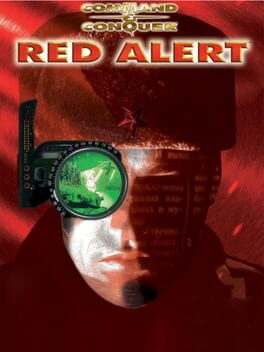
Command & Conquer: Red Alert
Optimization · Pure Optimization
Alternate-history RTS where economy management and build orders win wars.
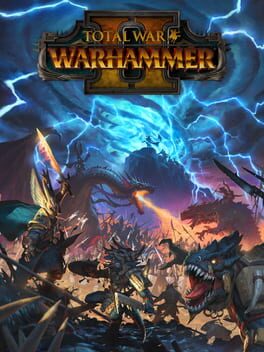
Total War: Warhammer II
Optimization · Pure Optimization
Optimizing race mechanics and vortex rituals while executing real-time battle tactics.
Command & Conquer: Red Alert leans Optimization (Pure Optimization); Total War: Warhammer II leans Optimization (Pure Optimization).
Command & Conquer: Red AlertTotal War: Warhammer II
Axis by axis
Execution5 vs 5
Same score on execution - which means the number cannot separate them. The difference is in what each one asks of you.
Command & Conquer: Red Alert
Micro and base management under time pressure
Total War: Warhammer II
Unit micro, spell timing, and formation play drive battle outcomes
Reads5 vs 3
Command & Conquer: Red Alert leans clearly harder on reads.
Command & Conquer: Red Alert
PvP skirmish rewards predicting enemy pushes
Total War: Warhammer II
Vortex campaign AI predictable; human opponents require genuine reads
Variance3 vs 4
Total War: Warhammer II leans a little harder on variance, though the gap is small.
Command & Conquer: Red Alert
Fog of war conceals army composition
Total War: Warhammer II
Rite costs, random loot drops, and chaos invasion timing create variance
Optimization8 vs 8
Same score on optimization - which means the number cannot separate them. The difference is in what each one asks of you.
Command & Conquer: Red Alert
Ore economy and build orders decide games
Total War: Warhammer II
Race mechanics and vortex ritual routing are richly optimizable
A matching score does not mean a matching test. Two games can both sit at 10 on execution and demand completely different things of you - which is why the reasoning above matters more than the number beside it.