Building comparison
head to head
Death Stranding: Director's CutvsLightning Returns: Final Fantasy XIII
Neither is harder. They score identically on all four axes, so the difference between them is in kind, not degree.
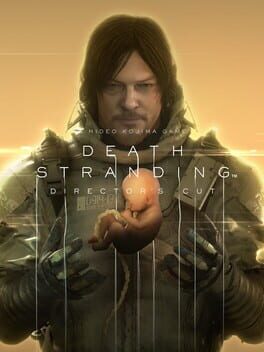
Death Stranding: Director's Cut
Optimization · Pure Optimization
Logistics as gameplay - planning routes and cargo loads across hostile terrain.
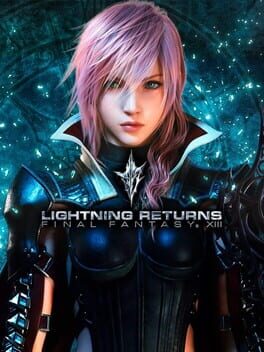
Lightning Returns: Final Fantasy XIII
Optimization · Pure Optimization
A time-limited JRPG where Lightning races a doomsday clock with customizable battle outfits.
Death Stranding: Director's Cut leans Optimization (Pure Optimization); Lightning Returns: Final Fantasy XIII leans Optimization (Pure Optimization).
Death Stranding: Director's CutLightning Returns: Final Fantasy XIII
Axis by axis
Execution4 vs 4
Same score on execution - which means the number cannot separate them. The difference is in what each one asks of you.
Death Stranding: Director's Cut
Balance management over terrain takes constant light input
Lightning Returns: Final Fantasy XIII
Real-time guards and stagger timing matter
Reads0 vs 0
Same score on reads - which means the number cannot separate them. The difference is in what each one asks of you.
Death Stranding: Director's Cut
BTs and MULEs follow predictable scripted behaviours
Lightning Returns: Final Fantasy XIII
Enemies are scripted
Variance2 vs 2
Same score on variance - which means the number cannot separate them. The difference is in what each one asks of you.
Death Stranding: Director's Cut
Timefall and terrain hazards are mappable once seen
Lightning Returns: Final Fantasy XIII
Some drop and quest randomness
Optimization8 vs 8
Same score on optimization - which means the number cannot separate them. The difference is in what each one asks of you.
Death Stranding: Director's Cut
Route planning, load balancing and infrastructure ARE the game
Lightning Returns: Final Fantasy XIII
World-clock scheduling and schemata builds dominate
A matching score does not mean a matching test. Two games can both sit at 10 on execution and demand completely different things of you - which is why the reasoning above matters more than the number beside it.
full breakdown
Death Stranding: Director's Cut →
full breakdown
Lightning Returns: Final Fantasy XIII →
Related comparisons
Death Stranding: Director's Cut vs Portal 2Lightning Returns: Final Fantasy XIII vs Portal 2Death Stranding: Director's Cut vs The Elder Scrolls V: SkyrimLightning Returns: Final Fantasy XIII vs The Elder Scrolls V: SkyrimDeath Stranding: Director's Cut vs PortalLightning Returns: Final Fantasy XIII vs Portal