Building comparison
head to head
Death Stranding: Director's CutvsThe Riftbreaker
Neither is meaningfully harder - they pose close to the same test. The widest gap is execution, and it is a single point.
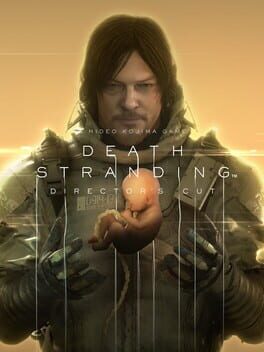
Death Stranding: Director's Cut
Optimization · Pure Optimization
Logistics as gameplay - planning routes and cargo loads across hostile terrain.
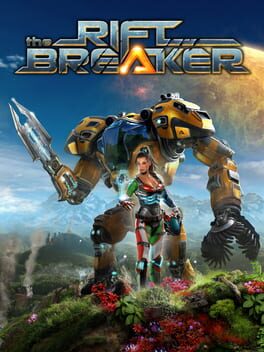
The Riftbreaker
Optimization · Pure Optimization
A base-building survival game where you pilot a mech, automate defenses, and hold off alien swarms on a hostile planet.
Death Stranding: Director's Cut leans Optimization (Pure Optimization); The Riftbreaker leans Optimization (Pure Optimization).
Death Stranding: Director's CutThe Riftbreaker
Axis by axis
Execution4 vs 5
The Riftbreaker leans a little harder on execution, though the gap is small.
Death Stranding: Director's Cut
Balance management over terrain takes constant light input
The Riftbreaker
Mech combat against swarms needs active hands
Reads0 vs 0
Same score on reads - which means the number cannot separate them. The difference is in what each one asks of you.
Death Stranding: Director's Cut
BTs and MULEs follow predictable scripted behaviours
The Riftbreaker
Alien waves are programmatic, not adaptive
Variance2 vs 3
The Riftbreaker leans a little harder on variance, though the gap is small.
Death Stranding: Director's Cut
Timefall and terrain hazards are mappable once seen
The Riftbreaker
Wave timing and map resources add some unknowns
Optimization8 vs 8
Same score on optimization - which means the number cannot separate them. The difference is in what each one asks of you.
Death Stranding: Director's Cut
Route planning, load balancing and infrastructure ARE the game
The Riftbreaker
Base layout, tech tree, and defenses dominate survival
A matching score does not mean a matching test. Two games can both sit at 10 on execution and demand completely different things of you - which is why the reasoning above matters more than the number beside it.