Building comparison
head to head
Diablo IIvsFTL: Faster Than Light
Neither is meaningfully harder - they pose close to the same test. The widest gap is variance, and it is a single point.
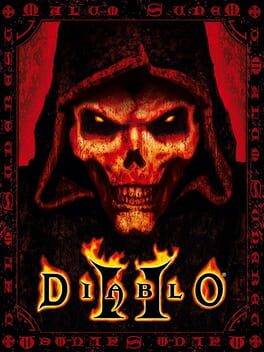
Diablo II
Optimization · Pure Optimization
The genre-defining loot ARPG whose builds, runes, and trade economy players still optimize decades later.
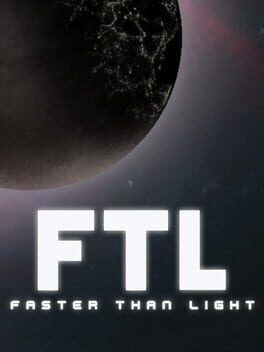
FTL: Faster Than Light
Optimization · Systems & Chaos
Spaceship roguelike of crew management and desperate sector hops.
Diablo II leans Optimization (Pure Optimization); FTL: Faster Than Light leans Optimization (Systems & Chaos).
Diablo IIFTL: Faster Than Light
Axis by axis
Execution2 vs 2
Same score on execution - which means the number cannot separate them. The difference is in what each one asks of you.
Diablo II
Positioning and potion reflexes, little else physical
FTL: Faster Than Light
Pause-and-play tactics, no input precision.
Reads0 vs 0
Same score on reads - which means the number cannot separate them. The difference is in what each one asks of you.
Diablo II
Monster AI is fully mappable
FTL: Faster Than Light
Scripted enemy ship AI.
Variance6 vs 7
FTL: Faster Than Light leans a little harder on variance, though the gap is small.
Diablo II
Loot RNG and random maps drive the grind
FTL: Faster Than Light
Sector events and shop rolls drive runs.
Optimization9 vs 9
Same score on optimization - which means the number cannot separate them. The difference is in what each one asks of you.
Diablo II
Builds, breakpoints, rune economy, magic-find routing are the game
FTL: Faster Than Light
Power management and ship builds are deeply solvable.
A matching score does not mean a matching test. Two games can both sit at 10 on execution and demand completely different things of you - which is why the reasoning above matters more than the number beside it.