Building comparison
head to head
DishonoredvsMetal Gear Solid 3: Subsistence
Neither is harder. They score identically on all four axes, so the difference between them is in kind, not degree.

Dishonored
Optimization · Practiced Mastery
The first Dishonored: a stealth-action playground of layered powers.
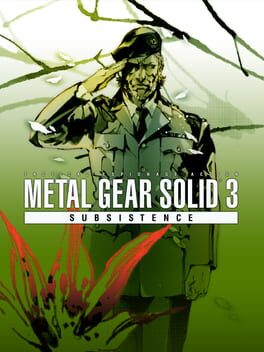
Metal Gear Solid 3: Subsistence
Optimization · Practiced Mastery
Stealth systems mastery against scripted guards with moderate execution needs.
Dishonored leans Optimization (Practiced Mastery); Metal Gear Solid 3: Subsistence leans Optimization (Practiced Mastery).
DishonoredMetal Gear Solid 3: Subsistence
Axis by axis
Execution5 vs 5
Same score on execution - which means the number cannot separate them. The difference is in what each one asks of you.
Dishonored
Blink timing and combat inputs matter.
Metal Gear Solid 3: Subsistence
CQC, aiming and timed escapes demand real but moderate precision
Reads1 vs 1
Same score on reads - which means the number cannot separate them. The difference is in what each one asks of you.
Dishonored
Guard AI scripted, non-adaptive.
Metal Gear Solid 3: Subsistence
Guards and bosses run rich but ultimately scripted behaviours
Variance2 vs 2
Same score on variance - which means the number cannot separate them. The difference is in what each one asks of you.
Dishonored
Patrol timings vary mildly.
Metal Gear Solid 3: Subsistence
Patrols and boss quirks are unknown only until studied
Optimization7 vs 7
Same score on optimization - which means the number cannot separate them. The difference is in what each one asks of you.
Dishonored
Power combos and stealth routes solvable.
Metal Gear Solid 3: Subsistence
Camo, food and route systems reward deep mastery
A matching score does not mean a matching test. Two games can both sit at 10 on execution and demand completely different things of you - which is why the reasoning above matters more than the number beside it.