Building comparison
head to head
Doki Doki Literature Club!vsEliza
Neither is meaningfully harder - they pose close to the same test. The widest gap is variance, and it is a single point.

Doki Doki Literature Club!
Optimization · Light / Casual
A deceptively cheerful visual novel that uses its own genre conventions as horror tools.
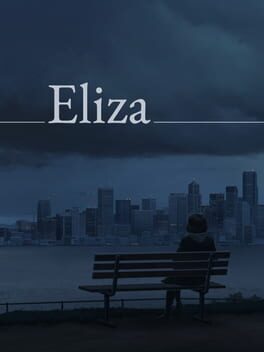
Eliza
Optimization · Light / Casual
A quiet narrative about an AI therapist app and the counsellor who voices it, asking what meaningful help looks like.
Doki Doki Literature Club! leans Optimization (Light / Casual); Eliza leans Optimization (Light / Casual).
Doki Doki Literature Club!Eliza
Axis by axis
Execution0 vs 0
Same score on execution - which means the number cannot separate them. The difference is in what each one asks of you.
Doki Doki Literature Club!
No inputs beyond clicking text - zero physical demand
Eliza
Pure reading; no inputs beyond advancing text
Reads0 vs 0
Same score on reads - which means the number cannot separate them. The difference is in what each one asks of you.
Doki Doki Literature Club!
No adaptive opponent; horror twists are scripted
Eliza
No opponent or adaptive system
Variance2 vs 1
Doki Doki Literature Club! leans a little harder on variance, though the gap is small.
Doki Doki Literature Club!
Hidden content and flags drive the horror subversion
Eliza
Minimal branching; story is nearly linear
Optimization3 vs 2
Doki Doki Literature Club! leans a little harder on optimization, though the gap is small.
Doki Doki Literature Club!
One optimal path to reach all endings once mechanics known
Eliza
No systems to optimise; experience is authored and fixed
A matching score does not mean a matching test. Two games can both sit at 10 on execution and demand completely different things of you - which is why the reasoning above matters more than the number beside it.