Building comparison
head to head
Dragon Ball Z: Ultimate TenkaichivsTabletop Simulator
Dragon Ball Z: Ultimate Tenkaichi asks more than Tabletop Simulator, and the gap is execution.
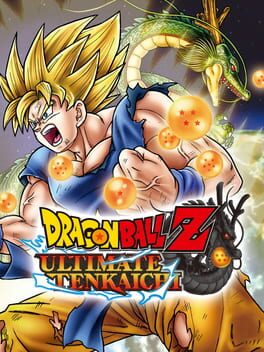
Dragon Ball Z: Ultimate Tenkaichi
Reads · Competitive PvP
Spectacle fighting reduced to rock-paper-scissors prediction in clash moments.
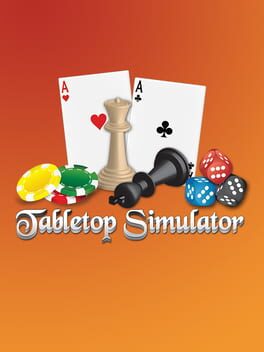
Tabletop Simulator
Reads · Bluff & Deduction
A physics sandbox whose actual skill test is whatever board game you load into it.
Dragon Ball Z: Ultimate Tenkaichi leans Reads (Competitive PvP); Tabletop Simulator leans Reads (Bluff & Deduction).
Dragon Ball Z: Ultimate TenkaichiTabletop Simulator
Axis by axis
Execution3 vs 1
Dragon Ball Z: Ultimate Tenkaichi leans clearly harder on execution.
Dragon Ball Z: Ultimate Tenkaichi
Simplified inputs flatten the physical ceiling
Tabletop Simulator
Fiddly physics manipulation, never a skill ceiling
Reads5 vs 4
Dragon Ball Z: Ultimate Tenkaichi leans a little harder on reads, though the gap is small.
Dragon Ball Z: Ultimate Tenkaichi
Clash minigames are near rock-paper-scissors against humans
Tabletop Simulator
Depends entirely on the tabletop game played with humans
Variance3 vs 4
Tabletop Simulator leans a little harder on variance, though the gap is small.
Dragon Ball Z: Ultimate Tenkaichi
Guessing-game clashes inject coin-flip outcomes
Tabletop Simulator
Dice and shuffled decks supply whatever randomness the game has
Optimization3 vs 3
Same score on optimization - which means the number cannot separate them. The difference is in what each one asks of you.
Dragon Ball Z: Ultimate Tenkaichi
Character knowledge matters but systems are shallow
Tabletop Simulator
Strategy lives in the hosted game, not the simulator
A matching score does not mean a matching test. Two games can both sit at 10 on execution and demand completely different things of you - which is why the reasoning above matters more than the number beside it.
Related comparisons
Call of Duty: Modern Warfare 2 vs Dragon Ball Z: Ultimate TenkaichiFriday the 13th: The Game vs Tabletop SimulatorCounter-Strike: Global Offensive vs Dragon Ball Z: Ultimate TenkaichiTabletop Simulator vs The Jackbox Party Pack 3Call of Duty: Black Ops vs Dragon Ball Z: Ultimate TenkaichiTabletop Simulator vs The Jackbox Party Pack 4