Building comparison
head to head
Friday the 13th: The GamevsTabletop Simulator
Friday the 13th: The Game asks more than Tabletop Simulator, and the gap is execution.
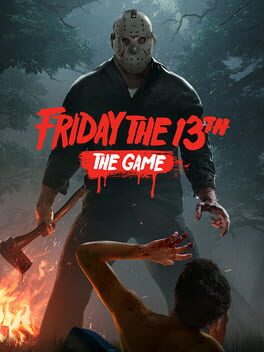
Friday the 13th: The Game
Reads · Bluff & Deduction
An asymmetric multiplayer horror game where counselors and a human Jason try to out-predict each other around random item spawns.
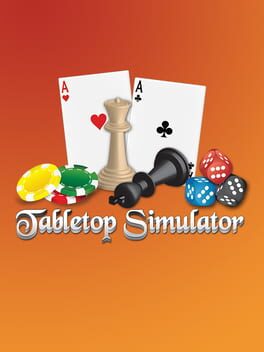
Tabletop Simulator
Reads · Bluff & Deduction
A physics sandbox whose actual skill test is whatever board game you load into it.
Friday the 13th: The Game leans Reads (Bluff & Deduction); Tabletop Simulator leans Reads (Bluff & Deduction).
Friday the 13th: The GameTabletop Simulator
Axis by axis
Execution4 vs 1
Friday the 13th: The Game leans clearly harder on execution.
Friday the 13th: The Game
Juking, stunning, and minigame inputs matter modestly
Tabletop Simulator
Fiddly physics manipulation, never a skill ceiling
Reads7 vs 4
Friday the 13th: The Game leans clearly harder on reads.
Friday the 13th: The Game
Jason and counselors are humans predicting each other
Tabletop Simulator
Depends entirely on the tabletop game played with humans
Variance5 vs 4
Friday the 13th: The Game leans a little harder on variance, though the gap is small.
Friday the 13th: The Game
Random item spawns and hidden objective parts
Tabletop Simulator
Dice and shuffled decks supply whatever randomness the game has
Optimization4 vs 3
Friday the 13th: The Game leans a little harder on optimization, though the gap is small.
Friday the 13th: The Game
Objective routes and perk loadouts are learnable
Tabletop Simulator
Strategy lives in the hosted game, not the simulator
A matching score does not mean a matching test. Two games can both sit at 10 on execution and demand completely different things of you - which is why the reasoning above matters more than the number beside it.