Building comparison
head to head
Driver 2: Back on the StreetsvsYoku's Island Express
Neither is harder. They score identically on all four axes, so the difference between them is in kind, not degree.
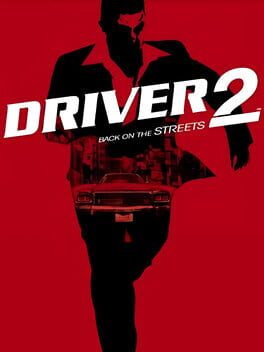
Driver 2: Back on the Streets
Execution · Practiced Mastery
Car control under pursuit pressure plus memorising city routes mission by mission.
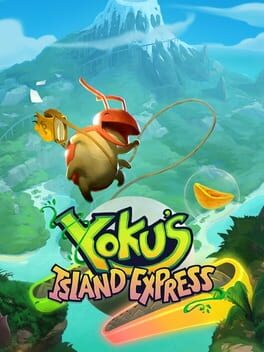
Yoku's Island Express
Execution · Practiced Mastery
A pinball-platformer hybrid where flippers fling a mail-delivering beetle across an open island.
Driver 2: Back on the Streets leans Execution (Practiced Mastery); Yoku's Island Express leans Execution (Practiced Mastery).
Driver 2: Back on the StreetsYoku's Island Express
Axis by axis
Execution6 vs 6
Same score on execution - which means the number cannot separate them. The difference is in what each one asks of you.
Driver 2: Back on the Streets
Wrestling the car physics through chase missions is the test
Yoku's Island Express
Pinball flipper timing drives all traversal
Reads0 vs 0
Same score on reads - which means the number cannot separate them. The difference is in what each one asks of you.
Driver 2: Back on the Streets
Police AI follows fixed pursuit logic, not adaptation
Yoku's Island Express
Solo, nothing models you
Variance2 vs 2
Same score on variance - which means the number cannot separate them. The difference is in what each one asks of you.
Driver 2: Back on the Streets
Traffic placement adds run-to-run noise in chases
Yoku's Island Express
Ball physics adds small bounce unpredictability
Optimization5 vs 5
Same score on optimization - which means the number cannot separate them. The difference is in what each one asks of you.
Driver 2: Back on the Streets
Learning city layouts and mission routes carries completion
Yoku's Island Express
Learning table layouts and exploration routes
A matching score does not mean a matching test. Two games can both sit at 10 on execution and demand completely different things of you - which is why the reasoning above matters more than the number beside it.
Related comparisons
Driver 2: Back on the Streets vs Grand Theft Auto VGrand Theft Auto V vs Yoku's Island ExpressDriver 2: Back on the Streets vs The Witcher 3: Wild HuntThe Witcher 3: Wild Hunt vs Yoku's Island ExpressDriver 2: Back on the Streets vs Grand Theft Auto: San AndreasGrand Theft Auto: San Andreas vs Yoku's Island Express