Building comparison
head to head
Dune IIvsThe Forgotten City
Neither is harder. They score identically on all four axes, so the difference between them is in kind, not degree.

Dune II
Optimization · Pure Optimization
The 1992 template for the entire real-time strategy genre.
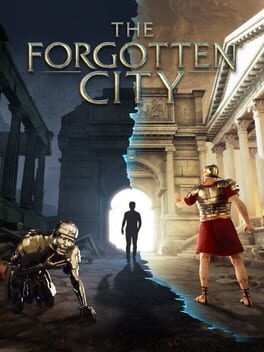
The Forgotten City
Optimization · Pure Optimization
A time-loop Roman mystery where deducing each citizen's secret motive unlocks a nonviolent resolution.
Dune II leans Optimization (Pure Optimization); The Forgotten City leans Optimization (Pure Optimization).
Dune IIThe Forgotten City
Axis by axis
Execution2 vs 2
Same score on execution - which means the number cannot separate them. The difference is in what each one asks of you.
Dune II
Slow clicking, no precision demands
The Forgotten City
Combat is technically possible but almost never the optimal path
Reads0 vs 0
Same score on reads - which means the number cannot separate them. The difference is in what each one asks of you.
Dune II
AI attacks on predictable timers
The Forgotten City
Roman citizens follow scripted roles within the time-loop logic
Variance3 vs 3
Same score on variance - which means the number cannot separate them. The difference is in what each one asks of you.
Dune II
Unscouted map and spice fields early
The Forgotten City
Hidden motivations and loop-dependent states create investigative uncertainty
Optimization8 vs 8
Same score on optimization - which means the number cannot separate them. The difference is in what each one asks of you.
Dune II
Build orders and base economy decide everything
The Forgotten City
Identifying the correct non-violent resolution path for each citizen is a solvable deduction
A matching score does not mean a matching test. Two games can both sit at 10 on execution and demand completely different things of you - which is why the reasoning above matters more than the number beside it.