Building comparison
head to head
Dying LightvsTales of Berseria
Neither is meaningfully harder - they pose close to the same test. The widest gap is execution, and it is a single point.
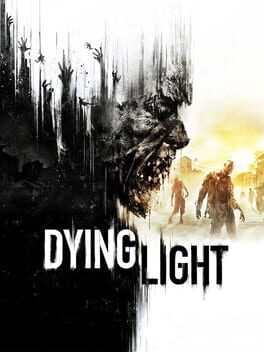
Dying Light
Execution · Practiced Mastery
First-person parkour against zombies, especially terrifying after dark.

Tales of Berseria
Execution · Practiced Mastery
A combo-driven action RPG where managing the Break Soul economy through scripted enemy encounters is the central test.
Dying Light leans Execution (Practiced Mastery); Tales of Berseria leans Execution (Practiced Mastery).
Dying LightTales of Berseria
Axis by axis
Execution6 vs 7
Tales of Berseria leans a little harder on execution, though the gap is small.
Dying Light
Parkour traversal and melee timing demanding.
Tales of Berseria
Break Soul chains and timing under Break Soul economy demand execution
Reads1 vs 1
Same score on reads - which means the number cannot separate them. The difference is in what each one asks of you.
Dying Light
Zombie AI scripted, non-adaptive.
Tales of Berseria
All enemies use fixed attack scripts; no adaptive component
Variance2 vs 2
Same score on variance - which means the number cannot separate them. The difference is in what each one asks of you.
Dying Light
Night-hunter encounters bring randomness.
Tales of Berseria
Random drops matter for gear progression but rarely alter fights
Optimization5 vs 6
Tales of Berseria leans a little harder on optimization, though the gap is small.
Dying Light
Crafting, blueprints, skill trees solvable.
Tales of Berseria
Soul Gauge and Break Soul management form the optimisation layer
A matching score does not mean a matching test. Two games can both sit at 10 on execution and demand completely different things of you - which is why the reasoning above matters more than the number beside it.