Building comparison
head to head
EvilvsRugrats: Scavenger Hunt
Rugrats: Scavenger Hunt asks more than Evil, and the gap is variance.
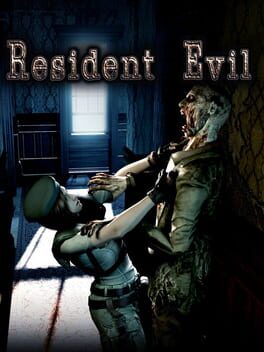
Evil
Variance · Systems & Chaos
A short first-person horror game testing nerve against scripted home invasion scares.
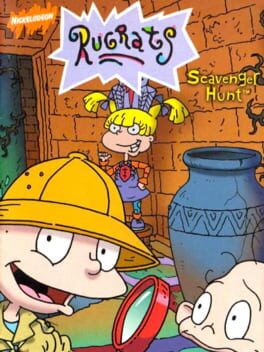
Rugrats: Scavenger Hunt
Variance · Pure Chaos
A digital board game where a random spinner dictates a scavenger hunt.
Evil leans Variance (Systems & Chaos); Rugrats: Scavenger Hunt leans Variance (Pure Chaos).
EvilRugrats: Scavenger Hunt
Axis by axis
Execution2 vs 1
Evil leans a little harder on execution, though the gap is small.
Evil
Walking and looking; minimal physical demand
Rugrats: Scavenger Hunt
Spinner and movement require no dexterity
Reads0 vs 1
Rugrats: Scavenger Hunt leans a little harder on reads, though the gap is small.
Evil
Scare events are scripted, not an adaptive mind
Rugrats: Scavenger Hunt
Opponents are simple AI, not modelling you
Variance4 vs 6
Rugrats: Scavenger Hunt leans clearly harder on variance.
Evil
Hidden scares and events drive the unknown tension
Rugrats: Scavenger Hunt
Board spinner and trick spaces drive every turn
Optimization3 vs 3
Same score on optimization - which means the number cannot separate them. The difference is in what each one asks of you.
Evil
Figuring out what to do next is the small loop
Rugrats: Scavenger Hunt
Limited strategy in choosing paths and items
A matching score does not mean a matching test. Two games can both sit at 10 on execution and demand completely different things of you - which is why the reasoning above matters more than the number beside it.