Building comparison
head to head
Eye of the Beholder III: Assault on Myth DrannorvsPrey (2017)
Neither is meaningfully harder - they pose close to the same test. The widest gap is execution, and it is a single point.
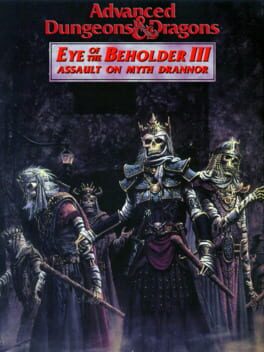
Eye of the Beholder III: Assault on Myth Drannor
Optimization · Pure Optimization
A first-person dungeon RPG testing party building and dungeon-mapping strategy.
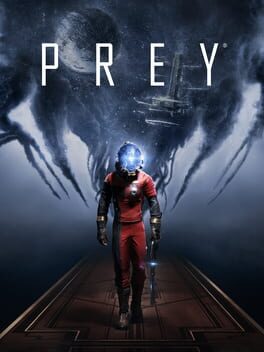
Prey (2017)
Optimization · Pure Optimization
Immersive sim aboard Talos I where build and route choices dominate.
Eye of the Beholder III: Assault on Myth Drannor leans Optimization (Pure Optimization); Prey (2017) leans Optimization (Pure Optimization).
Eye of the Beholder III: Assault on Myth DrannorPrey (2017)
Axis by axis
Execution3 vs 4
Prey (2017) leans a little harder on execution, though the gap is small.
Eye of the Beholder III: Assault on Myth Drannor
Real-time clicks matter but party-based, not twitch
Prey (2017)
Wrench and Gloo timing modest.
Reads1 vs 1
Same score on reads - which means the number cannot separate them. The difference is in what each one asks of you.
Eye of the Beholder III: Assault on Myth Drannor
Monsters follow scripted behavior
Prey (2017)
Typhon AI scripted, not adaptive.
Variance3 vs 2
Eye of the Beholder III: Assault on Myth Drannor leans a little harder on variance, though the gap is small.
Eye of the Beholder III: Assault on Myth Drannor
AD&D dice rolls add randomness
Prey (2017)
Mimics and resource spawns randomized.
Optimization8 vs 8
Same score on optimization - which means the number cannot separate them. The difference is in what each one asks of you.
Eye of the Beholder III: Assault on Myth Drannor
Party building, spell management and dungeon mapping lead
Prey (2017)
Neuromods, builds, station routing deeply solvable.
A matching score does not mean a matching test. Two games can both sit at 10 on execution and demand completely different things of you - which is why the reasoning above matters more than the number beside it.