Building comparison
head to head
FaçadevsTabletop Simulator
Tabletop Simulator asks more than Façade, and the gap is reads.
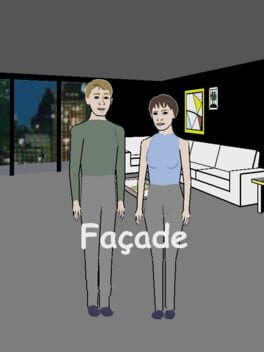
Façade
Variance · Bluff & Deduction
An interactive drama experiment testing conversational probing of a hidden narrative state machine.
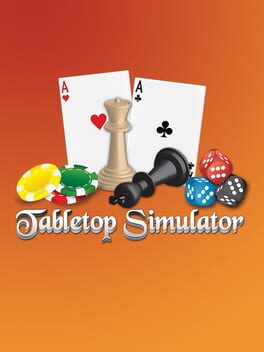
Tabletop Simulator
Reads · Bluff & Deduction
A physics sandbox whose actual skill test is whatever board game you load into it.
Façade leans Variance (Bluff & Deduction); Tabletop Simulator leans Reads (Bluff & Deduction).
FaçadeTabletop Simulator
Axis by axis
Execution0 vs 1
Tabletop Simulator leans a little harder on execution, though the gap is small.
Façade
Typing free text to NPCs involves no motor skill
Tabletop Simulator
Fiddly physics manipulation, never a skill ceiling
Reads2 vs 4
Tabletop Simulator leans clearly harder on reads.
Façade
The AI reacts richly but follows mappable drama beats
Tabletop Simulator
Depends entirely on the tabletop game played with humans
Variance4 vs 4
Same score on variance - which means the number cannot separate them. The difference is in what each one asks of you.
Façade
Hidden conversational state makes each playthrough unpredictable
Tabletop Simulator
Dice and shuffled decks supply whatever randomness the game has
Optimization2 vs 3
Tabletop Simulator leans a little harder on optimization, though the gap is small.
Façade
Steering the couple's argument has loose discoverable levers
Tabletop Simulator
Strategy lives in the hosted game, not the simulator
A matching score does not mean a matching test. Two games can both sit at 10 on execution and demand completely different things of you - which is why the reasoning above matters more than the number beside it.