Building comparison
head to head
Fallout 2vsFire Emblem Engage
Neither is meaningfully harder - they pose close to the same test. The widest gap is variance, and it is a single point.
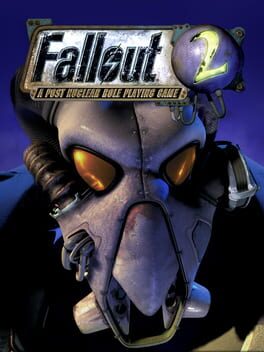
Fallout 2
Optimization · Pure Optimization
A post-nuclear RPG expanded in scope where tagged builds and Gifted-trait optimization dominate.

Fire Emblem Engage
Optimization · Pure Optimization
Maximizing Emblem synergies and inherited skills to dismantle precisely scripted enemy maps.
Fallout 2 leans Optimization (Pure Optimization); Fire Emblem Engage leans Optimization (Pure Optimization).
Fallout 2Fire Emblem Engage
Axis by axis
Execution2 vs 2
Same score on execution - which means the number cannot separate them. The difference is in what each one asks of you.
Fallout 2
Turn-based AP system makes twitch entirely irrelevant
Fire Emblem Engage
Turn-based; Engage ring timing is menu-driven not reactive
Reads1 vs 1
Same score on reads - which means the number cannot separate them. The difference is in what each one asks of you.
Fallout 2
All tribal and Enclave enemies run fixed scripted combat routines
Fire Emblem Engage
Scripted enemy phases never adapt to player tendencies
Variance5 vs 4
Fallout 2 leans a little harder on variance, though the gap is small.
Fallout 2
Hidden special encounters and timed events create significant unknown-information space
Fire Emblem Engage
Hit and avoid stats tighten variance; Engage mechanics are reliable
Optimization9 vs 9
Same score on optimization - which means the number cannot separate them. The difference is in what each one asks of you.
Fallout 2
SPECIAL and skill tagging with Gifted trait produce well-known dominant build strategies
Fire Emblem Engage
Emblem pairing, skill inheritance, and unit positioning are exhaustively solvable
A matching score does not mean a matching test. Two games can both sit at 10 on execution and demand completely different things of you - which is why the reasoning above matters more than the number beside it.