Building comparison
head to head
Final Fantasy VII RemakevsThe Elder Scrolls IV: Oblivion Remastered
Neither is meaningfully harder - they pose close to the same test. The widest gap is execution, and it is a single point.
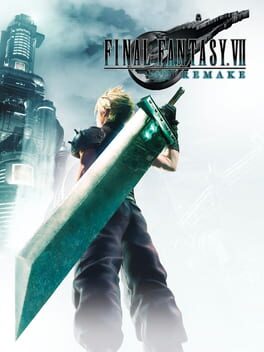
Final Fantasy VII Remake
Optimization · Pure Optimization
An action-ATB JRPG about stagger setups and materia loadout planning.
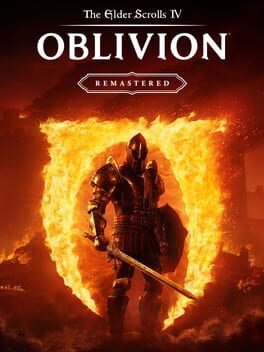
The Elder Scrolls IV: Oblivion Remastered
Optimization · Pure Optimization
An open-world RPG whose min-maxable leveling and build system dominate over its clunky combat.
Final Fantasy VII Remake leans Optimization (Pure Optimization); The Elder Scrolls IV: Oblivion Remastered leans Optimization (Pure Optimization).
Final Fantasy VII RemakeThe Elder Scrolls IV: Oblivion Remastered
Axis by axis
Execution4 vs 3
Final Fantasy VII Remake leans a little harder on execution, though the gap is small.
Final Fantasy VII Remake
Action timing matters but ATB pause forgives sloppy play.
The Elder Scrolls IV: Oblivion Remastered
real-time combat but forgiving swings
Reads1 vs 1
Same score on reads - which means the number cannot separate them. The difference is in what each one asks of you.
Final Fantasy VII Remake
Bosses use scripted phases; no genuine adaptation.
The Elder Scrolls IV: Oblivion Remastered
NPCs follow scripted AI packages
Variance1 vs 1
Same score on variance - which means the number cannot separate them. The difference is in what each one asks of you.
Final Fantasy VII Remake
Minor drop and materia growth randomness.
The Elder Scrolls IV: Oblivion Remastered
loot/leveling has some randomness
Optimization7 vs 7
Same score on optimization - which means the number cannot separate them. The difference is in what each one asks of you.
Final Fantasy VII Remake
Materia loadouts and stagger windows are deeply solvable.
The Elder Scrolls IV: Oblivion Remastered
leveling system, builds min-maxable
A matching score does not mean a matching test. Two games can both sit at 10 on execution and demand completely different things of you - which is why the reasoning above matters more than the number beside it.
Related comparisons
Final Fantasy VII Remake vs Portal 2Portal 2 vs The Elder Scrolls IV: Oblivion RemasteredFinal Fantasy VII Remake vs The Elder Scrolls V: SkyrimThe Elder Scrolls IV: Oblivion Remastered vs The Elder Scrolls V: SkyrimFinal Fantasy VII Remake vs PortalPortal vs The Elder Scrolls IV: Oblivion Remastered