Building comparison
head to head
Final Fantasy XII: The Zodiac AgevsMight and Magic VII: For Blood and Honor
Neither is harder. They score identically on all four axes, so the difference between them is in kind, not degree.
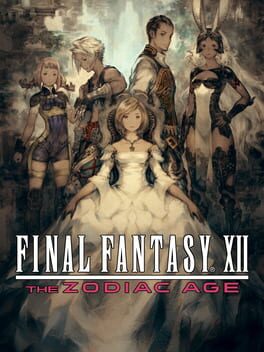
Final Fantasy XII: The Zodiac Age
Optimization · Pure Optimization
An RPG where programming automated gambit systems and optimizing builds is the true skill test.
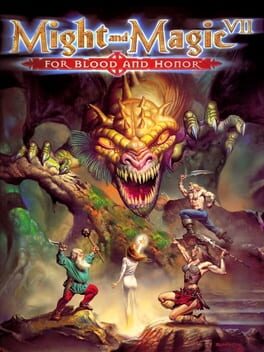
Might and Magic VII: For Blood and Honor
Optimization · Pure Optimization
An open-world party blobber where promotion paths and skill routing matter far more than aim.
Final Fantasy XII: The Zodiac Age leans Optimization (Pure Optimization); Might and Magic VII: For Blood and Honor leans Optimization (Pure Optimization).
Final Fantasy XII: The Zodiac AgeMight and Magic VII: For Blood and Honor
Axis by axis
Execution1 vs 1
Same score on execution - which means the number cannot separate them. The difference is in what each one asks of you.
Final Fantasy XII: The Zodiac Age
no real-time physical skill, gambit-automated
Might and Magic VII: For Blood and Honor
Pausable party combat; minimal dexterity.
Reads0 vs 0
Same score on reads - which means the number cannot separate them. The difference is in what each one asks of you.
Final Fantasy XII: The Zodiac Age
no adaptive opponents, scripted encounters
Might and Magic VII: For Blood and Honor
Enemies charge on fixed logic.
Variance3 vs 3
Same score on variance - which means the number cannot separate them. The difference is in what each one asks of you.
Final Fantasy XII: The Zodiac Age
loot and encounter randomness present
Might and Magic VII: For Blood and Honor
Loot rolls and unknown dungeon contents first time.
Optimization8 vs 8
Same score on optimization - which means the number cannot separate them. The difference is in what each one asks of you.
Final Fantasy XII: The Zodiac Age
gambit and job builds are near-solvable
Might and Magic VII: For Blood and Honor
Class promotions, skill points, and routing are fully solvable.
A matching score does not mean a matching test. Two games can both sit at 10 on execution and demand completely different things of you - which is why the reasoning above matters more than the number beside it.
full breakdown
Final Fantasy XII: The Zodiac Age →
full breakdown
Might and Magic VII: For Blood and Honor →
Related comparisons
Final Fantasy XII: The Zodiac Age vs Portal 2Might and Magic VII: For Blood and Honor vs Portal 2Final Fantasy XII: The Zodiac Age vs The Elder Scrolls V: SkyrimMight and Magic VII: For Blood and Honor vs The Elder Scrolls V: SkyrimFinal Fantasy XII: The Zodiac Age vs PortalMight and Magic VII: For Blood and Honor vs Portal