Building comparison
head to head
Fire Emblem Echoes: Shadows of ValentiavsPokémon Mystery Dungeon: Gates to Infinity
Neither is meaningfully harder - they pose close to the same test. The widest gap is variance, and it is a single point.
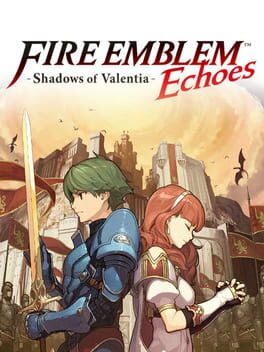
Fire Emblem Echoes: Shadows of Valentia
Optimization · Pure Optimization
Remake of Gaiden with dual protagonists and explorable dungeons.
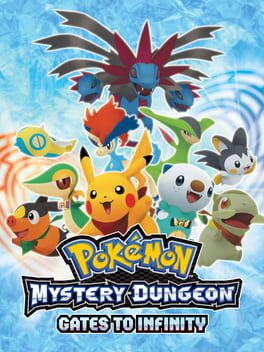
Pokémon Mystery Dungeon: Gates to Infinity
Optimization · Systems & Chaos
Turn-based dungeon crawling testing resource management against randomised floors.
Fire Emblem Echoes: Shadows of Valentia leans Optimization (Pure Optimization); Pokémon Mystery Dungeon: Gates to Infinity leans Optimization (Systems & Chaos).
Fire Emblem Echoes: Shadows of ValentiaPokémon Mystery Dungeon: Gates to Infinity
Axis by axis
Execution1 vs 1
Same score on execution - which means the number cannot separate them. The difference is in what each one asks of you.
Fire Emblem Echoes: Shadows of Valentia
Turn-based menus only
Pokémon Mystery Dungeon: Gates to Infinity
Turn-based grid moves involve no dexterity
Reads0 vs 0
Same score on reads - which means the number cannot separate them. The difference is in what each one asks of you.
Fire Emblem Echoes: Shadows of Valentia
Scripted enemies on both routes
Pokémon Mystery Dungeon: Gates to Infinity
Dungeon Pokémon follow simple rules, never adapt
Variance4 vs 5
Pokémon Mystery Dungeon: Gates to Infinity leans a little harder on variance, though the gap is small.
Fire Emblem Echoes: Shadows of Valentia
Hit RNG plus dungeon encounters
Pokémon Mystery Dungeon: Gates to Infinity
Random floor layouts and item spawns vary each delve
Optimization7 vs 6
Fire Emblem Echoes: Shadows of Valentia leans a little harder on optimization, though the gap is small.
Fire Emblem Echoes: Shadows of Valentia
Dual-army routing and class promotions
Pokémon Mystery Dungeon: Gates to Infinity
Team builds and item management converge to known strategies
A matching score does not mean a matching test. Two games can both sit at 10 on execution and demand completely different things of you - which is why the reasoning above matters more than the number beside it.
full breakdown
Fire Emblem Echoes: Shadows of Valentia →
full breakdown
Pokémon Mystery Dungeon: Gates to Infinity →
Related comparisons
Fire Emblem Echoes: Shadows of Valentia vs Portal 2Life is Strange vs Pokémon Mystery Dungeon: Gates to InfinityFire Emblem Echoes: Shadows of Valentia vs The Elder Scrolls V: SkyrimBorderlands 2 vs Pokémon Mystery Dungeon: Gates to InfinityFire Emblem Echoes: Shadows of Valentia vs PortalBaldur's Gate 3 vs Pokémon Mystery Dungeon: Gates to Infinity