Building comparison
head to head
Fire Emblem: The Sacred StonesvsWildermyth
Neither is meaningfully harder - they pose close to the same test. The widest gap is variance, and it is a single point.
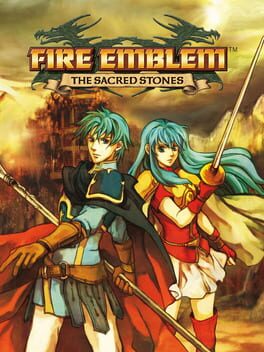
Fire Emblem: The Sacred Stones
Optimization · Pure Optimization
Gentler GBA Fire Emblem with branching promotions and an optional grinding tower softening the tactics test.
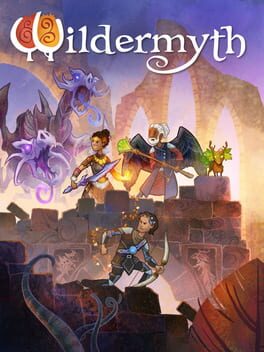
Wildermyth
Optimization · Systems & Chaos
Tactical RPG with procedural narrative and characters who age across campaigns.
Fire Emblem: The Sacred Stones leans Optimization (Pure Optimization); Wildermyth leans Optimization (Systems & Chaos).
Fire Emblem: The Sacred StonesWildermyth
Axis by axis
Execution1 vs 1
Same score on execution - which means the number cannot separate them. The difference is in what each one asks of you.
Fire Emblem: The Sacred Stones
Grid menu tactics; nothing physical.
Wildermyth
Turn-based tactics, no input precision.
Reads0 vs 0
Same score on reads - which means the number cannot separate them. The difference is in what each one asks of you.
Fire Emblem: The Sacred Stones
Enemies use fixed targeting logic.
Wildermyth
Scripted enemy AI in tactical encounters.
Variance4 vs 5
Wildermyth leans a little harder on variance, though the gap is small.
Fire Emblem: The Sacred Stones
Hit, crit, and growth RNG remain meaningful.
Wildermyth
Story events and gear rolls drive variety.
Optimization8 vs 7
Fire Emblem: The Sacred Stones leans a little harder on optimization, though the gap is small.
Fire Emblem: The Sacred Stones
Branching promotions and grindable maps reward build planning.
Wildermyth
Ability synergies and positioning reward planning.
A matching score does not mean a matching test. Two games can both sit at 10 on execution and demand completely different things of you - which is why the reasoning above matters more than the number beside it.