Building comparison
head to head
Gears of War 2vsKillzone 3
Neither is meaningfully harder - they pose close to the same test. The widest gap is optimization, and it is a single point.

Gears of War 2
Execution · Practiced Mastery
The sequel adding Horde mode to the campaign-plus-versus cover shooter formula.
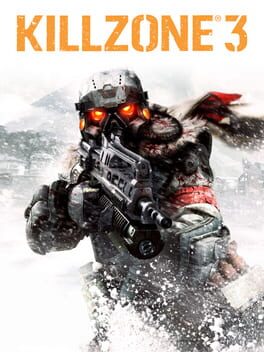
Killzone 3
Execution · Pure Mechanics
Heavy first-person gunplay testing aim, with positional prediction in multiplayer.
Gears of War 2 leans Execution (Practiced Mastery); Killzone 3 leans Execution (Pure Mechanics).
Gears of War 2Killzone 3
Axis by axis
Execution7 vs 7
Same score on execution - which means the number cannot separate them. The difference is in what each one asks of you.
Gears of War 2
Gnasher battles and movement tech set the ceiling
Killzone 3
Weighty gunplay still demands aim and recoil control
Reads4 vs 4
Same score on reads - which means the number cannot separate them. The difference is in what each one asks of you.
Gears of War 2
Human opponents in versus drive prediction play
Killzone 3
Multiplayer opponents flank and bait; campaign AI is scripted
Variance2 vs 2
Same score on variance - which means the number cannot separate them. The difference is in what each one asks of you.
Gears of War 2
Horde spawns add mild randomness
Killzone 3
Spawns and spread inject limited randomness
Optimization5 vs 4
Gears of War 2 leans a little harder on optimization, though the gap is small.
Gears of War 2
Power-weapon timing and positioning are solvable
Killzone 3
Map control, loadouts and class roles structure multiplayer
A matching score does not mean a matching test. Two games can both sit at 10 on execution and demand completely different things of you - which is why the reasoning above matters more than the number beside it.