Building comparison
head to head
Ghost of TsushimavsResident Evil Village
Neither is meaningfully harder - they pose close to the same test. The widest gap is variance, and it is a single point.
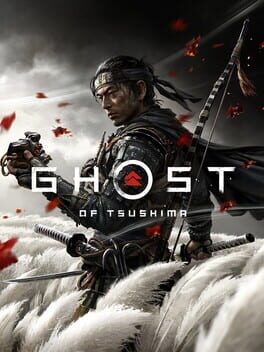
Ghost of Tsushima
Execution · Practiced Mastery
An open-world samurai adventure trading honor for guerrilla tactics across feudal Tsushima.
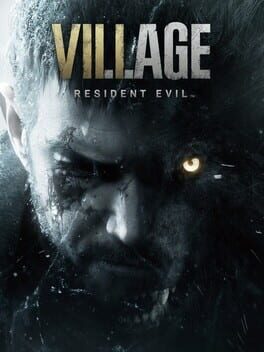
Resident Evil Village
Optimization · Practiced Mastery
Resource optimisation and scripted boss mastery carried by strong atmosphere and pacing.
Ghost of Tsushima leans Execution (Practiced Mastery); Resident Evil Village leans Optimization (Practiced Mastery).
Ghost of TsushimaResident Evil Village
Axis by axis
Execution6 vs 6
Same score on execution - which means the number cannot separate them. The difference is in what each one asks of you.
Ghost of Tsushima
Parry and stance timing carry duels and standoffs
Resident Evil Village
Accurate aiming and ammo discipline under varied enemy pressure
Reads1 vs 1
Same score on reads - which means the number cannot separate them. The difference is in what each one asks of you.
Ghost of Tsushima
Mongol AI is scripted, not adaptive
Resident Evil Village
Enemies and boss phases are scripted, no adaptive modelling
Variance1 vs 2
Resident Evil Village leans a little harder on variance, though the gap is small.
Ghost of Tsushima
Encounters are largely deterministic
Resident Evil Village
Minor crafting-drop variance; encounters are mostly fixed
Optimization6 vs 7
Resident Evil Village leans a little harder on optimization, though the gap is small.
Ghost of Tsushima
Stance matchups, charms, and gear are solvable systems
Resident Evil Village
Merchant economy, weapon upgrades and area sequencing are solvable
A matching score does not mean a matching test. Two games can both sit at 10 on execution and demand completely different things of you - which is why the reasoning above matters more than the number beside it.