Building comparison
head to head
Ghost of YōteivsZelda II: The Adventure of Link
Neither is meaningfully harder - they pose close to the same test. The widest gap is execution, and it is a single point.
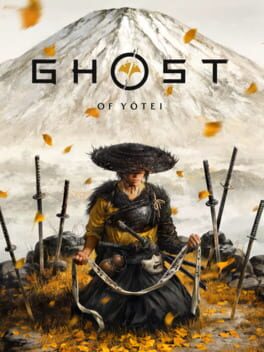
Ghost of Yōtei
Execution · Practiced Mastery
Sucker Punch's follow-up to Tsushima, a revenge tale set around Mount Yōtei in 1603 Ezo.
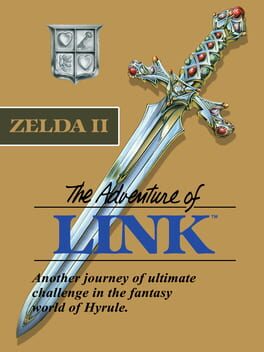
Zelda II: The Adventure of Link
Execution · Practiced Mastery
The notoriously demanding side-scrolling Zelda built on tight sword duels and RPG levelling.
Ghost of Yōtei leans Execution (Practiced Mastery); Zelda II: The Adventure of Link leans Execution (Practiced Mastery).
Ghost of YōteiZelda II: The Adventure of Link
Axis by axis
Execution6 vs 7
Zelda II: The Adventure of Link leans a little harder on execution, though the gap is small.
Ghost of Yōtei
Weapon-swap duels and parry timing remain the core test
Zelda II: The Adventure of Link
Precise sword spacing, shield stabs, brutal platforming
Reads1 vs 1
Same score on reads - which means the number cannot separate them. The difference is in what each one asks of you.
Ghost of Yōtei
Enemies follow learnable scripts
Zelda II: The Adventure of Link
Ironknuckles feint but follow fixed logic
Variance1 vs 1
Same score on variance - which means the number cannot separate them. The difference is in what each one asks of you.
Ghost of Yōtei
Mostly deterministic encounters
Zelda II: The Adventure of Link
Layouts fixed, little hidden randomness
Optimization6 vs 6
Same score on optimization - which means the number cannot separate them. The difference is in what each one asks of you.
Ghost of Yōtei
Weapon matchups and build choices reward system play
Zelda II: The Adventure of Link
XP routing, spell use, palace order planning
A matching score does not mean a matching test. Two games can both sit at 10 on execution and demand completely different things of you - which is why the reasoning above matters more than the number beside it.
Related comparisons
Ghost of Yōtei vs Grand Theft Auto VGrand Theft Auto V vs Zelda II: The Adventure of LinkGhost of Yōtei vs The Witcher 3: Wild HuntThe Witcher 3: Wild Hunt vs Zelda II: The Adventure of LinkGhost of Yōtei vs Grand Theft Auto: San AndreasGrand Theft Auto: San Andreas vs Zelda II: The Adventure of Link