Building comparison
head to head
Goodbye DeponiavsReturn to Monkey Island
Neither is harder. They score identically on all four axes, so the difference between them is in kind, not degree.
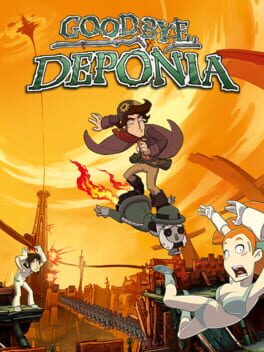
Goodbye Deponia
Optimization · Pure Optimization
The trilogy finale trades puzzle complexity for narrative resolution, testing observation over deduction.
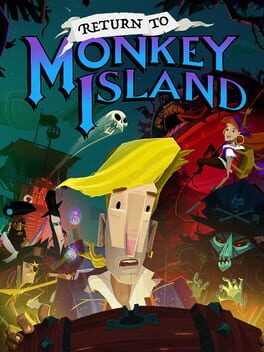
Return to Monkey Island
Optimization · Pure Optimization
A puzzle-forward adventure testing creative lateral thinking against a fixed authored solution space.
Goodbye Deponia leans Optimization (Pure Optimization); Return to Monkey Island leans Optimization (Pure Optimization).
Goodbye DeponiaReturn to Monkey Island
Axis by axis
Execution1 vs 1
Same score on execution - which means the number cannot separate them. The difference is in what each one asks of you.
Goodbye Deponia
No physical demands on the player
Return to Monkey Island
Modern hint system and relaxed interface remove all reflex demands
Reads0 vs 0
Same score on reads - which means the number cannot separate them. The difference is in what each one asks of you.
Goodbye Deponia
Scripted finale with no adaptive opponent
Return to Monkey Island
Entirely authored puzzles with no adaptive opponent
Variance1 vs 1
Same score on variance - which means the number cannot separate them. The difference is in what each one asks of you.
Goodbye Deponia
Fixed narrative outcome with deterministic puzzles
Return to Monkey Island
Virtually no randomness; solutions are static
Optimization7 vs 7
Same score on optimization - which means the number cannot separate them. The difference is in what each one asks of you.
Goodbye Deponia
Closure-focused design eases puzzle density compared to predecessors
Return to Monkey Island
Lateral-thinking item puzzles require mapping cause and effect chains
A matching score does not mean a matching test. Two games can both sit at 10 on execution and demand completely different things of you - which is why the reasoning above matters more than the number beside it.