Building comparison
head to head
Grey GoovsWarhammer 40,000: Dawn of War
Neither is meaningfully harder - they pose close to the same test. The widest gap is variance, and it is a single point.
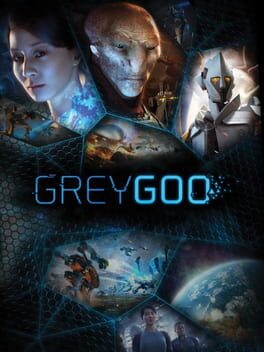
Grey Goo
Reads · Grand Arena
Three-faction sci-fi RTS where asymmetric Goo mechanics and unit counter-selection drive competitive outcomes.
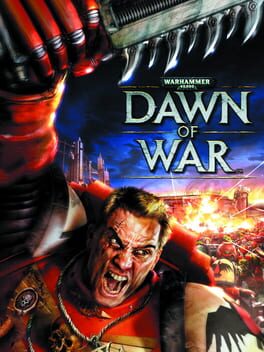
Warhammer 40,000: Dawn of War
Reads · Grand Arena
Grimdark RTS where requisition nodes, squad reinforcement, and chapter counter-picks define competitive depth.
Grey Goo leans Reads (Grand Arena); Warhammer 40,000: Dawn of War leans Reads (Grand Arena).
Grey GooWarhammer 40,000: Dawn of War
Axis by axis
Execution6 vs 6
Same score on execution - which means the number cannot separate them. The difference is in what each one asks of you.
Grey Goo
Goo expansion rate timing and unit special abilities need precise control
Warhammer 40,000: Dawn of War
Squad retreat timing and builder unit micro require practiced hands
Reads7 vs 7
Same score on reads - which means the number cannot separate them. The difference is in what each one asks of you.
Grey Goo
Three-faction asymmetry makes opponent tech choices hard to predict
Warhammer 40,000: Dawn of War
Opponent chapter choice and rush timing must be predicted
Variance2 vs 3
Warhammer 40,000: Dawn of War leans a little harder on variance, though the gap is small.
Grey Goo
Map resource spread is fixed; minimal in-game RNG
Warhammer 40,000: Dawn of War
Relic capture variance and squad reinforcement timing add uncertainty
Optimization7 vs 7
Same score on optimization - which means the number cannot separate them. The difference is in what each one asks of you.
Grey Goo
Goo creep routing and tech order are well-defined optimization problems
Warhammer 40,000: Dawn of War
Requisition node priority and tech tree builds are well-studied
A matching score does not mean a matching test. Two games can both sit at 10 on execution and demand completely different things of you - which is why the reasoning above matters more than the number beside it.