Building comparison
head to head
Hand of FatevsRogue Legacy
Hand of Fate asks more than Rogue Legacy, and the gap is variance.

Hand of Fate
Variance · Systems & Chaos
A card-driven adventure where real-time combat execution meets tabletop-style encounter variance.
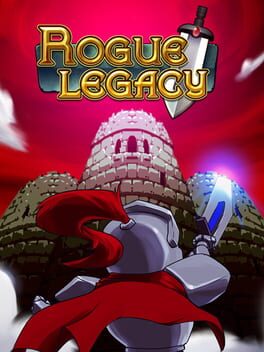
Rogue Legacy
Optimization · Practiced Mastery
A platformer roguelite where gradual meta-progression rewards learning enemy patterns over time.
Hand of Fate leans Variance (Systems & Chaos); Rogue Legacy leans Optimization (Practiced Mastery).
Hand of FateRogue Legacy
Axis by axis
Execution5 vs 5
Same score on execution - which means the number cannot separate them. The difference is in what each one asks of you.
Hand of Fate
Arkham-style real-time combat requires dodge timing and blocking
Rogue Legacy
Platformer combat requires reactive dodging and timing
Reads1 vs 0
Hand of Fate leans a little harder on reads, though the gap is small.
Hand of Fate
The Dealer is scripted; encounters don't adapt to your style
Rogue Legacy
Castle enemies are scripted; no adaptive opponent exists
Variance7 vs 5
Hand of Fate leans clearly harder on variance.
Hand of Fate
Card table randomness and hidden encounter outcomes drive runs
Rogue Legacy
Heir traits and room layouts introduce run-to-run randomness
Optimization6 vs 6
Same score on optimization - which means the number cannot separate them. The difference is in what each one asks of you.
Hand of Fate
Equipment synergies and card selection offer meaningful build planning
Rogue Legacy
Gold investment and class unlocking form a steady meta-progression layer
A matching score does not mean a matching test. Two games can both sit at 10 on execution and demand completely different things of you - which is why the reasoning above matters more than the number beside it.