Building comparison
head to head
Haunting GroundvsLife is Strange
Haunting Ground asks more than Life is Strange, and the gap is execution.
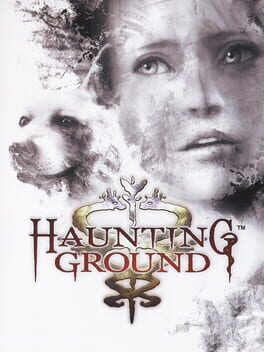
Haunting Ground
Variance · Systems & Chaos
PS2 survival horror about evading relentless stalkers with help from a loyal dog.

Life is Strange
Optimization · Systems & Chaos
A teenage drama built around rewinding decisions to map which choices actually alter the scripted outcome.
Haunting Ground leans Variance (Systems & Chaos); Life is Strange leans Optimization (Systems & Chaos).
Haunting GroundLife is Strange
Axis by axis
Execution3 vs 1
Haunting Ground leans clearly harder on execution.
Haunting Ground
Panic-state control and evasion timing
Life is Strange
Rewind mechanic removes virtually any failure state
Reads1 vs 0
Haunting Ground leans a little harder on reads, though the gap is small.
Haunting Ground
Stalkers react but follow mappable logic
Life is Strange
Scripted teen drama; no opponent models the player
Variance5 vs 3
Haunting Ground leans clearly harder on variance.
Haunting Ground
Stalker patrols and panic system feel unpredictable
Life is Strange
Rewind obscures which choices are truly consequential
Optimization5 vs 5
Same score on optimization - which means the number cannot separate them. The difference is in what each one asks of you.
Haunting Ground
Hiding spots, Hewie commands, and puzzle routes converge
Life is Strange
Understanding consequence chains enables deliberate dialogue path planning
A matching score does not mean a matching test. Two games can both sit at 10 on execution and demand completely different things of you - which is why the reasoning above matters more than the number beside it.