Building comparison
head to head
HomefrontvsMedal of Honor: Rising Sun
Neither is meaningfully harder - they pose close to the same test. The widest gap is variance, and it is a single point.
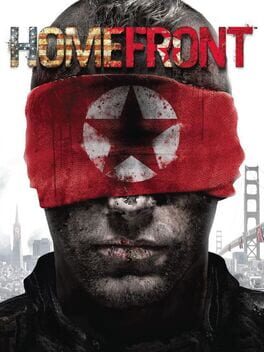
Homefront
Execution · Pure Mechanics
Linear military FPS about resisting an occupation of the United States.

Medal of Honor: Rising Sun
Execution · Pure Mechanics
Era-typical scripted WWII shooting galleries testing aim and placement memory.
Homefront leans Execution (Pure Mechanics); Medal of Honor: Rising Sun leans Execution (Pure Mechanics).
HomefrontMedal of Honor: Rising Sun
Axis by axis
Execution6 vs 6
Same score on execution - which means the number cannot separate them. The difference is in what each one asks of you.
Homefront
Standard shooter gunplay carries the campaign
Medal of Honor: Rising Sun
Aim against scripted soldier placements is the core demand
Reads2 vs 2
Same score on reads - which means the number cannot separate them. The difference is in what each one asks of you.
Homefront
Multiplayer adds some human prediction
Medal of Honor: Rising Sun
Multiplayer adds light human prediction; campaign AI is static
Variance2 vs 1
Homefront leans a little harder on variance, though the gap is small.
Homefront
Scripted setpieces, little randomness
Medal of Honor: Rising Sun
Setpiece missions replay identically
Optimization3 vs 3
Same score on optimization - which means the number cannot separate them. The difference is in what each one asks of you.
Homefront
Modest loadout and map knowledge layer
Medal of Honor: Rising Sun
Memorising enemy placements and routes is shallow but present
A matching score does not mean a matching test. Two games can both sit at 10 on execution and demand completely different things of you - which is why the reasoning above matters more than the number beside it.