Building comparison
head to head
It Takes TwovsSplit Fiction
Neither is harder. They score identically on all four axes, so the difference between them is in kind, not degree.
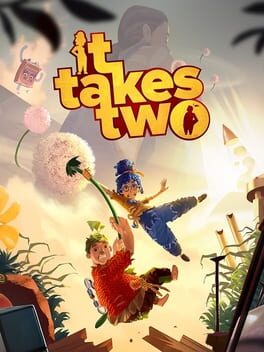
It Takes Two
Execution · Practiced Mastery
A co-op puzzle-platformer that tests physical coordination and communication across a wide variety of co-designed mechanics.
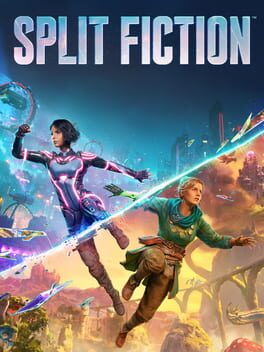
Split Fiction
Execution · Practiced Mastery
A co-op adventure that relentlessly cycles through genres, demanding precise execution and partner synchronisation in each new mechanical context.
It Takes Two leans Execution (Practiced Mastery); Split Fiction leans Execution (Practiced Mastery).
It Takes TwoSplit Fiction
Axis by axis
Execution6 vs 6
Same score on execution - which means the number cannot separate them. The difference is in what each one asks of you.
It Takes Two
Co-op platforming demands tight timing, coordination, and spatial precision
Split Fiction
Constant mechanical shifts demand fast adaptation and precise inputs
Reads2 vs 2
Same score on reads - which means the number cannot separate them. The difference is in what each one asks of you.
It Takes Two
Human partner requires some coordination reads but not competitive prediction
Split Fiction
Co-op partner coordination involves light social reads
Variance2 vs 2
Same score on variance - which means the number cannot separate them. The difference is in what each one asks of you.
It Takes Two
Puzzle solutions are fixed; little hidden randomness
Split Fiction
Genre-shifting levels introduce some unknown obstacles per run
Optimization5 vs 5
Same score on optimization - which means the number cannot separate them. The difference is in what each one asks of you.
It Takes Two
Each chapter has an optimal movement approach once mechanics are learned
Split Fiction
Each world's mechanics reward mastering the optimal movement path
A matching score does not mean a matching test. Two games can both sit at 10 on execution and demand completely different things of you - which is why the reasoning above matters more than the number beside it.