Building comparison
head to head
Jenny LeClue: DetectivuvsLayers of Fear (2016)
Neither is meaningfully harder - they pose close to the same test. The widest gap is variance, and it is a single point.
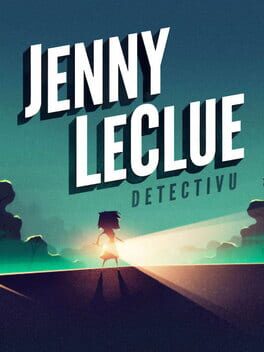
Jenny LeClue: Detectivu
Optimization · Systems & Chaos
Uncovering authored clues and assembling them into fixed deductions.

Layers of Fear (2016)
Variance · Systems & Chaos
A walking-horror experience where shifting level geometry creates variance that undermines optimisation.
Jenny LeClue: Detectivu leans Optimization (Systems & Chaos); Layers of Fear (2016) leans Variance (Systems & Chaos).
Jenny LeClue: DetectivuLayers of Fear (2016)
Axis by axis
Execution1 vs 1
Same score on execution - which means the number cannot separate them. The difference is in what each one asks of you.
Jenny LeClue: Detectivu
Light platforming sections without real challenge
Layers of Fear (2016)
Walking and interacting; no combat or twitch demand
Reads0 vs 0
Same score on reads - which means the number cannot separate them. The difference is in what each one asks of you.
Jenny LeClue: Detectivu
The mystery is authored, not an adapting mind
Layers of Fear (2016)
No opponents at all; entirely environmental
Variance4 vs 5
Layers of Fear (2016) leans a little harder on variance, though the gap is small.
Jenny LeClue: Detectivu
Clues are hidden information uncovered scene by scene
Layers of Fear (2016)
Room geometry shifts semi-randomly, disorienting the player
Optimization5 vs 4
Jenny LeClue: Detectivu leans a little harder on optimization, though the gap is small.
Jenny LeClue: Detectivu
Deduction boards resolve to single intended answers
Layers of Fear (2016)
Limited learnable structure; the maze logic resists full mapping
A matching score does not mean a matching test. Two games can both sit at 10 on execution and demand completely different things of you - which is why the reasoning above matters more than the number beside it.