Building comparison
head to head
Kunitsu-Gami: Path of the GoddessvsOvercooked
Neither is meaningfully harder - they pose close to the same test. The widest gap is optimization, and it is a single point.
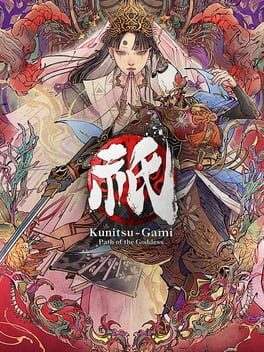
Kunitsu-Gami: Path of the Goddess
Optimization · Practiced Mastery
Capcom's kagura-inspired hybrid where you purify villages by day and command villagers in tower-defense battles by night.

Overcooked
Optimization · Practiced Mastery
Chaotic co-op kitchen game solved by ruthless division of labor.
Kunitsu-Gami: Path of the Goddess leans Optimization (Practiced Mastery); Overcooked leans Optimization (Practiced Mastery).
Kunitsu-Gami: Path of the GoddessOvercooked
Axis by axis
Execution6 vs 6
Same score on execution - which means the number cannot separate them. The difference is in what each one asks of you.
Kunitsu-Gami: Path of the Goddess
Real-time sword combat during night defenses
Overcooked
Chopping, carrying, and plating under the clock
Reads0 vs 0
Same score on reads - which means the number cannot separate them. The difference is in what each one asks of you.
Kunitsu-Gami: Path of the Goddess
Seethe waves are scripted per stage
Overcooked
Kitchens don't adapt; teammates aren't opponents
Variance2 vs 2
Same score on variance - which means the number cannot separate them. The difference is in what each one asks of you.
Kunitsu-Gami: Path of the Goddess
Slight spawn variation between attempts
Overcooked
Order queue randomness within known sets
Optimization8 vs 7
Kunitsu-Gami: Path of the Goddess leans a little harder on optimization, though the gap is small.
Kunitsu-Gami: Path of the Goddess
Villager role assignment and daytime prep decide nights
Overcooked
Station assignment and task routing win stars
A matching score does not mean a matching test. Two games can both sit at 10 on execution and demand completely different things of you - which is why the reasoning above matters more than the number beside it.