Building comparison
head to head
Kunitsu-Gami: Path of the GoddessvsTomb Raider
Neither is meaningfully harder - they pose close to the same test. The widest gap is execution, and it is a single point.
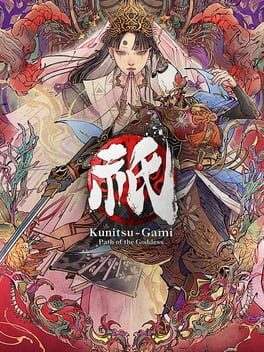
Kunitsu-Gami: Path of the Goddess
Optimization · Practiced Mastery
Capcom's kagura-inspired hybrid where you purify villages by day and command villagers in tower-defense battles by night.
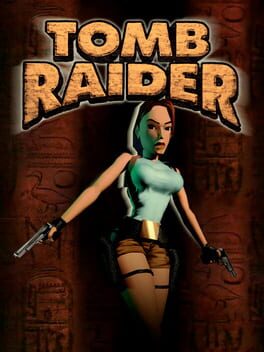
Tomb Raider
Optimization · Practiced Mastery
The original tomb-crawling platformer, a spatial puzzle solved with careful jumps.
Kunitsu-Gami: Path of the Goddess leans Optimization (Practiced Mastery); Tomb Raider leans Optimization (Practiced Mastery).
Kunitsu-Gami: Path of the GoddessTomb Raider
Axis by axis
Execution6 vs 5
Kunitsu-Gami: Path of the Goddess leans a little harder on execution, though the gap is small.
Kunitsu-Gami: Path of the Goddess
Real-time sword combat during night defenses
Tomb Raider
Grid-based jumps need deliberate, precise positioning
Reads0 vs 0
Same score on reads - which means the number cannot separate them. The difference is in what each one asks of you.
Kunitsu-Gami: Path of the Goddess
Seethe waves are scripted per stage
Tomb Raider
Wildlife and guardians follow fixed scripts
Variance2 vs 2
Same score on variance - which means the number cannot separate them. The difference is in what each one asks of you.
Kunitsu-Gami: Path of the Goddess
Slight spawn variation between attempts
Tomb Raider
First-run trap and secret locations are unknown
Optimization8 vs 7
Kunitsu-Gami: Path of the Goddess leans a little harder on optimization, though the gap is small.
Kunitsu-Gami: Path of the Goddess
Villager role assignment and daytime prep decide nights
Tomb Raider
Levels are spatial puzzles with solvable routes
A matching score does not mean a matching test. Two games can both sit at 10 on execution and demand completely different things of you - which is why the reasoning above matters more than the number beside it.