Building comparison
head to head
L.A. NoirevsXCOM: Enemy Unknown
XCOM: Enemy Unknown asks more than L.A. Noire, and the gap is variance.

L.A. Noire
Optimization · Systems & Chaos
1940s detective procedural built around crime scenes and reading scripted interrogation tells.
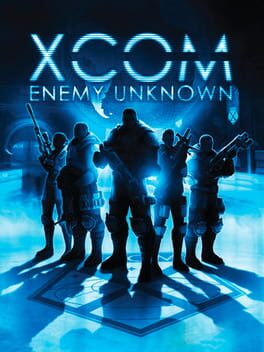
XCOM: Enemy Unknown
Optimization · Systems & Chaos
Managing RNG-driven combat while solving the underlying base economy and research tree.
L.A. Noire leans Optimization (Systems & Chaos); XCOM: Enemy Unknown leans Optimization (Systems & Chaos).
L.A. NoireXCOM: Enemy Unknown
Axis by axis
Execution2 vs 3
XCOM: Enemy Unknown leans a little harder on execution, though the gap is small.
L.A. Noire
Light shooting and driving, very forgiving
XCOM: Enemy Unknown
Turn-based; no twitch inputs; cover placement has mild precision
Reads0 vs 1
XCOM: Enemy Unknown leans a little harder on reads, though the gap is small.
L.A. Noire
Suspects follow fixed scripts, never adapt
XCOM: Enemy Unknown
Aliens follow scripted AI, never model your specific habits
Variance4 vs 7
XCOM: Enemy Unknown leans clearly harder on variance.
L.A. Noire
Interrogation tells and clues hidden until discovered
XCOM: Enemy Unknown
Hit chances, crit rolls, and mission spawns create constant RNG swings
Optimization5 vs 8
XCOM: Enemy Unknown leans clearly harder on optimization.
L.A. Noire
Evidence chains and question choices have fixed correct answers
XCOM: Enemy Unknown
Squad composition, research order, and base economy are solvable
A matching score does not mean a matching test. Two games can both sit at 10 on execution and demand completely different things of you - which is why the reasoning above matters more than the number beside it.