Building comparison
head to head
Life is StrangevsUtawarerumono: Mask of Deception
Neither is meaningfully harder - they pose close to the same test. The widest gap is variance, and it is a single point.
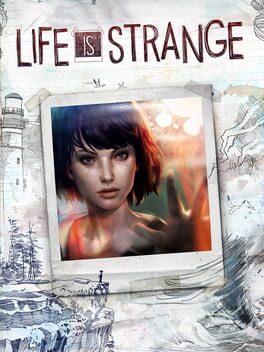
Life is Strange
Optimization · Systems & Chaos
A teenage drama built around rewinding decisions to map which choices actually alter the scripted outcome.

Utawarerumono: Mask of Deception
Optimization · Systems & Chaos
A visual novel first and a light tactics game second, heavy on story.
Life is Strange leans Optimization (Systems & Chaos); Utawarerumono: Mask of Deception leans Optimization (Systems & Chaos).
Life is StrangeUtawarerumono: Mask of Deception
Axis by axis
Execution1 vs 1
Same score on execution - which means the number cannot separate them. The difference is in what each one asks of you.
Life is Strange
Rewind mechanic removes virtually any failure state
Utawarerumono: Mask of Deception
Optional timing presses on attacks
Reads0 vs 0
Same score on reads - which means the number cannot separate them. The difference is in what each one asks of you.
Life is Strange
Scripted teen drama; no opponent models the player
Utawarerumono: Mask of Deception
Enemy AI is scripted and predictable
Variance3 vs 2
Life is Strange leans a little harder on variance, though the gap is small.
Life is Strange
Rewind obscures which choices are truly consequential
Utawarerumono: Mask of Deception
Light combat RNG in a mostly fixed story
Optimization5 vs 4
Life is Strange leans a little harder on optimization, though the gap is small.
Life is Strange
Understanding consequence chains enables deliberate dialogue path planning
Utawarerumono: Mask of Deception
Easy SRPG battles solved with basic positioning
A matching score does not mean a matching test. Two games can both sit at 10 on execution and demand completely different things of you - which is why the reasoning above matters more than the number beside it.