Building comparison
head to head
LimbovsMetroid: Samus Returns
Neither is meaningfully harder - they pose close to the same test. The widest gap is execution, and it is a single point.

Limbo
Execution · Practiced Mastery
A monochrome puzzle-platformer about a boy lost in limbo.
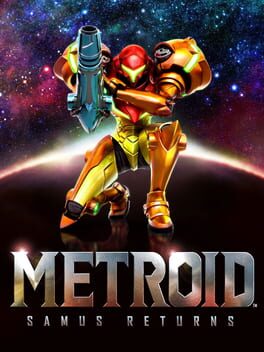
Metroid: Samus Returns
Execution · Practiced Mastery
The 3DS remake of Metroid II built around a precisely timed melee counter.
Limbo leans Execution (Practiced Mastery); Metroid: Samus Returns leans Execution (Practiced Mastery).
LimboMetroid: Samus Returns
Axis by axis
Execution5 vs 6
Metroid: Samus Returns leans a little harder on execution, though the gap is small.
Limbo
Tight platforming with trial-and-error.
Metroid: Samus Returns
Melee-counter timing defines nearly every fight.
Reads0 vs 0
Same score on reads - which means the number cannot separate them. The difference is in what each one asks of you.
Limbo
Hazards are scripted.
Metroid: Samus Returns
Counters punish scripted lunges, not adaptation.
Variance1 vs 1
Same score on variance - which means the number cannot separate them. The difference is in what each one asks of you.
Limbo
No randomness.
Metroid: Samus Returns
Fixed map and encounters.
Optimization5 vs 6
Metroid: Samus Returns leans a little harder on optimization, though the gap is small.
Limbo
Puzzles have fixed solutions.
Metroid: Samus Returns
Aeion management and ability routing matter.
A matching score does not mean a matching test. Two games can both sit at 10 on execution and demand completely different things of you - which is why the reasoning above matters more than the number beside it.