Building comparison
head to head
Mario & Luigi: Paper JamvsTales of Zestiria
Neither is harder. They score identically on all four axes, so the difference between them is in kind, not degree.
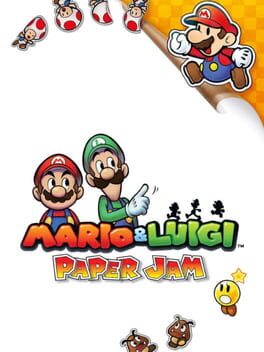
Mario & Luigi: Paper Jam
Optimization · Pure Optimization
A timing-flavoured turn-based RPG where party builds and learned attack patterns decide fights.
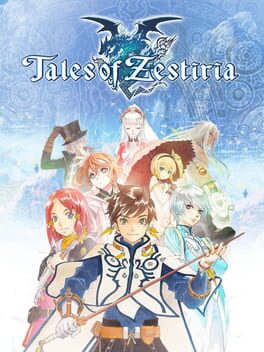
Tales of Zestiria
Optimization · Pure Optimization
A fantasy JRPG whose infamous equipment fusion system dominates its skill test.
Mario & Luigi: Paper Jam leans Optimization (Pure Optimization); Tales of Zestiria leans Optimization (Pure Optimization).
Mario & Luigi: Paper JamTales of Zestiria
Axis by axis
Execution4 vs 4
Same score on execution - which means the number cannot separate them. The difference is in what each one asks of you.
Mario & Luigi: Paper Jam
Timed action commands reward but never gate progress
Tales of Zestiria
Armatization combat needs timing but forgives sloppiness
Reads0 vs 0
Same score on reads - which means the number cannot separate them. The difference is in what each one asks of you.
Mario & Luigi: Paper Jam
Enemy attacks are scripted tells, not adaptive minds
Tales of Zestiria
Scripted hellion AI never adapts
Variance2 vs 2
Same score on variance - which means the number cannot separate them. The difference is in what each one asks of you.
Mario & Luigi: Paper Jam
Minor drop and damage rolls inside fixed encounters
Tales of Zestiria
Equipment skill randomness obscures ideal gear briefly
Optimization7 vs 7
Same score on optimization - which means the number cannot separate them. The difference is in what each one asks of you.
Mario & Luigi: Paper Jam
Gear, badge and turn-order planning carries every fight
Tales of Zestiria
Skill-fusion equipment stacking is a notorious optimization rabbit hole
A matching score does not mean a matching test. Two games can both sit at 10 on execution and demand completely different things of you - which is why the reasoning above matters more than the number beside it.