Building comparison
head to head
Metal Gear Solid: Peace WalkervsSplinter Cell: Blacklist
Neither is meaningfully harder - they pose close to the same test. The widest gap is optimization, and it is a single point.
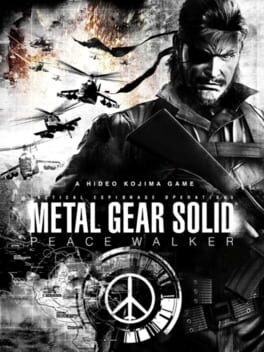
Metal Gear Solid: Peace Walker
Optimization · Practiced Mastery
A portable Metal Gear pairing mission stealth with a base-building development metagame.
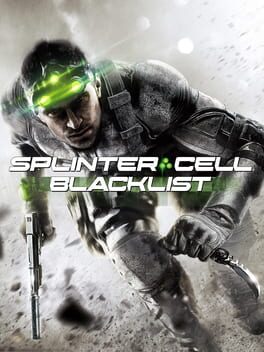
Splinter Cell: Blacklist
Optimization · Practiced Mastery
Choosing between three distinct playstyle routes through consistent guard layouts for optimal SMI scores.
Metal Gear Solid: Peace Walker leans Optimization (Practiced Mastery); Splinter Cell: Blacklist leans Optimization (Practiced Mastery).
Metal Gear Solid: Peace WalkerSplinter Cell: Blacklist
Axis by axis
Execution6 vs 6
Same score on execution - which means the number cannot separate them. The difference is in what each one asks of you.
Metal Gear Solid: Peace Walker
Boss vehicle fights and CQC chains test aim and timing.
Splinter Cell: Blacklist
Mark-and-execute and fast takedowns raise the physical ceiling
Reads1 vs 1
Same score on reads - which means the number cannot separate them. The difference is in what each one asks of you.
Metal Gear Solid: Peace Walker
Enemy AI is scripted and predictable.
Splinter Cell: Blacklist
Enemies react on scripted alert logic, not player-specific profiling
Variance2 vs 2
Same score on variance - which means the number cannot separate them. The difference is in what each one asks of you.
Metal Gear Solid: Peace Walker
Missions are fixed; soldier recruitment adds slight randomness.
Splinter Cell: Blacklist
Patrol density and item placement are consistent across runs
Optimization8 vs 7
Metal Gear Solid: Peace Walker leans a little harder on optimization, though the gap is small.
Metal Gear Solid: Peace Walker
Mother Base management and weapon development are pure systems.
Splinter Cell: Blacklist
SMI scoring system incentivises optimal ghost, panther, or assault routing
A matching score does not mean a matching test. Two games can both sit at 10 on execution and demand completely different things of you - which is why the reasoning above matters more than the number beside it.
Related comparisons
Grand Theft Auto V vs Metal Gear Solid: Peace WalkerGrand Theft Auto V vs Splinter Cell: BlacklistMetal Gear Solid: Peace Walker vs The Witcher 3: Wild HuntSplinter Cell: Blacklist vs The Witcher 3: Wild HuntGrand Theft Auto: San Andreas vs Metal Gear Solid: Peace WalkerGrand Theft Auto: San Andreas vs Splinter Cell: Blacklist