Building comparison
head to head
Middle-earth: Shadow of WarvsThe Lord of the Rings: Return to Moria
Neither is meaningfully harder - they pose close to the same test. The widest gap is execution, and it is a single point.
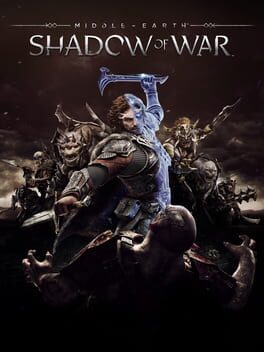
Middle-earth: Shadow of War
Optimization · Practiced Mastery
Nemesis-system sequel that adds orc army management and fortress sieges.
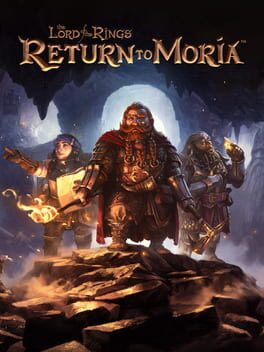
The Lord of the Rings: Return to Moria
Optimization · Pure Optimization
A dwarven survival-crafting expedition where managing ore, gear and bases outweighs swordplay.
Middle-earth: Shadow of War leans Optimization (Practiced Mastery); The Lord of the Rings: Return to Moria leans Optimization (Pure Optimization).
Middle-earth: Shadow of WarThe Lord of the Rings: Return to Moria
Axis by axis
Execution5 vs 4
Middle-earth: Shadow of War leans a little harder on execution, though the gap is small.
Middle-earth: Shadow of War
Same counter-heavy combat as its predecessor
The Lord of the Rings: Return to Moria
Stamina-based melee needs modest timing and positioning.
Reads1 vs 0
Middle-earth: Shadow of War leans a little harder on reads, though the gap is small.
Middle-earth: Shadow of War
Nemesis system mimics adaptation but follows knowable rules
The Lord of the Rings: Return to Moria
Orc hordes are scripted spawns, not adaptive minds.
Variance4 vs 4
Same score on variance - which means the number cannot separate them. The difference is in what each one asks of you.
Middle-earth: Shadow of War
Random orc traits, betrayals, and fortress compositions
The Lord of the Rings: Return to Moria
Procedurally generated mines hide ore, dangers and routes.
Optimization7 vs 7
Same score on optimization - which means the number cannot separate them. The difference is in what each one asks of you.
Middle-earth: Shadow of War
Army building and siege planning layer on top
The Lord of the Rings: Return to Moria
Base building, gear tiers and resource chains decide survival.
A matching score does not mean a matching test. Two games can both sit at 10 on execution and demand completely different things of you - which is why the reasoning above matters more than the number beside it.
Related comparisons
Grand Theft Auto V vs Middle-earth: Shadow of WarPortal 2 vs The Lord of the Rings: Return to MoriaMiddle-earth: Shadow of War vs The Witcher 3: Wild HuntThe Elder Scrolls V: Skyrim vs The Lord of the Rings: Return to MoriaGrand Theft Auto: San Andreas vs Middle-earth: Shadow of WarPortal vs The Lord of the Rings: Return to Moria