Building comparison
head to head
Monster Hunter WildsvsTales of Symphonia
Neither is meaningfully harder - they pose close to the same test. The widest gap is reads, and it is a single point.
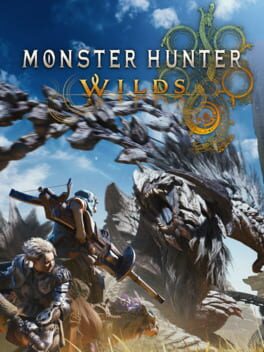
Monster Hunter Wilds
Optimization · Practiced Mastery
Open-world Monster Hunter with dynamic weather and seamless herd ecosystems.
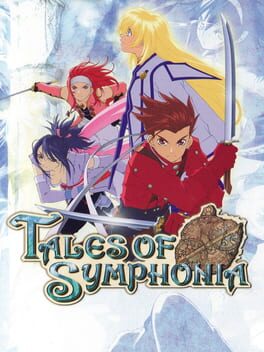
Tales of Symphonia
Execution · Practiced Mastery
A real-time action JRPG where mastering guard cancels and arte combos against scripted enemies defines high-level play.
Monster Hunter Wilds leans Optimization (Practiced Mastery); Tales of Symphonia leans Execution (Practiced Mastery).
Monster Hunter WildsTales of Symphonia
Axis by axis
Execution7 vs 7
Same score on execution - which means the number cannot separate them. The difference is in what each one asks of you.
Monster Hunter Wilds
Positioning, wound targeting, and weapon timing
Tales of Symphonia
3D combat movement, guard-canceling, and combo timing are central skills
Reads1 vs 0
Monster Hunter Wilds leans a little harder on reads, though the gap is small.
Monster Hunter Wilds
Monsters are scripted ecosystems, not adaptive minds
Tales of Symphonia
All enemy and boss patterns are scripted
Variance3 vs 3
Same score on variance - which means the number cannot separate them. The difference is in what each one asks of you.
Monster Hunter Wilds
Weather cycles and decoration RNG
Tales of Symphonia
Random item drops and some enemy move randomness present
Optimization8 vs 7
Monster Hunter Wilds leans a little harder on optimization, though the gap is small.
Monster Hunter Wilds
Builds and monster knowledge trivialize hunts when mastered
Tales of Symphonia
Arte trees, Unison Attacks, and equipment crafting are the optimization layer
A matching score does not mean a matching test. Two games can both sit at 10 on execution and demand completely different things of you - which is why the reasoning above matters more than the number beside it.