Building comparison
head to head
Monster Hunter: WorldvsTales of Symphonia
Neither is meaningfully harder - they pose close to the same test. The widest gap is reads, and it is a single point.
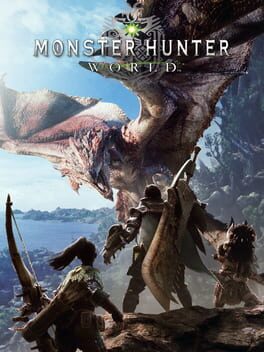
Monster Hunter: World
Optimization · Practiced Mastery
Breakout Monster Hunter where learning each beast's moveset turns terror into routine.
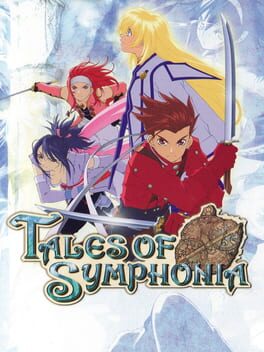
Tales of Symphonia
Execution · Practiced Mastery
A real-time action JRPG where mastering guard cancels and arte combos against scripted enemies defines high-level play.
Monster Hunter: World leans Optimization (Practiced Mastery); Tales of Symphonia leans Execution (Practiced Mastery).
Monster Hunter: WorldTales of Symphonia
Axis by axis
Execution7 vs 7
Same score on execution - which means the number cannot separate them. The difference is in what each one asks of you.
Monster Hunter: World
Deliberate weapon timing against huge movesets
Tales of Symphonia
3D combat movement, guard-canceling, and combo timing are central skills
Reads1 vs 0
Monster Hunter: World leans a little harder on reads, though the gap is small.
Monster Hunter: World
Monsters are learnable scripts, never adaptive
Tales of Symphonia
All enemy and boss patterns are scripted
Variance3 vs 3
Same score on variance - which means the number cannot separate them. The difference is in what each one asks of you.
Monster Hunter: World
Decoration drops are notorious RNG
Tales of Symphonia
Random item drops and some enemy move randomness present
Optimization8 vs 7
Monster Hunter: World leans a little harder on optimization, though the gap is small.
Monster Hunter: World
Knowing the monster and building counters is the game
Tales of Symphonia
Arte trees, Unison Attacks, and equipment crafting are the optimization layer
A matching score does not mean a matching test. Two games can both sit at 10 on execution and demand completely different things of you - which is why the reasoning above matters more than the number beside it.