Building comparison
head to head
Mordheim: City of the DamnedvsYu-Gi-Oh! Duel Links
Neither is meaningfully harder - they pose close to the same test. The widest gap is reads, and it is a single point.
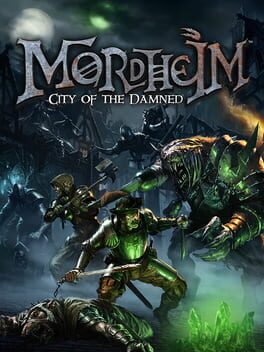
Mordheim: City of the Damned
Optimization · Systems & Chaos
Building warbands and managing dice-roll risk in turn-based skirmishes.

Yu-Gi-Oh! Duel Links
Optimization · Grand Arena
A fast-format digital Yu-Gi-Oh! card game built around ranked PvP and meta decks.
Mordheim: City of the Damned leans Optimization (Systems & Chaos); Yu-Gi-Oh! Duel Links leans Optimization (Grand Arena).
Mordheim: City of the DamnedYu-Gi-Oh! Duel Links
Axis by axis
Execution1 vs 1
Same score on execution - which means the number cannot separate them. The difference is in what each one asks of you.
Mordheim: City of the Damned
Turn-based orders need no dexterity
Yu-Gi-Oh! Duel Links
Tapping cards, no dexterity test
Reads5 vs 6
Yu-Gi-Oh! Duel Links leans a little harder on reads, though the gap is small.
Mordheim: City of the Damned
Human PvP skirmishes reward predicting opponent positioning
Yu-Gi-Oh! Duel Links
Ranked PvP rewards predicting set cards and bluffs
Variance6 vs 7
Yu-Gi-Oh! Duel Links leans a little harder on variance, though the gap is small.
Mordheim: City of the Damned
Hit rolls and injuries swing fights and rosters hard
Yu-Gi-Oh! Duel Links
Draws and unknown opponent decks dominate
Optimization8 vs 8
Same score on optimization - which means the number cannot separate them. The difference is in what each one asks of you.
Mordheim: City of the Damned
Warband building and action economy dominate long-term
Yu-Gi-Oh! Duel Links
Meta deckbuilding and line calculation are the spine
A matching score does not mean a matching test. Two games can both sit at 10 on execution and demand completely different things of you - which is why the reasoning above matters more than the number beside it.