Building comparison
head to head
My Time at SandrockvsNi no Kuni II: Revenant Kingdom
Neither is harder. They score identically on all four axes, so the difference between them is in kind, not degree.
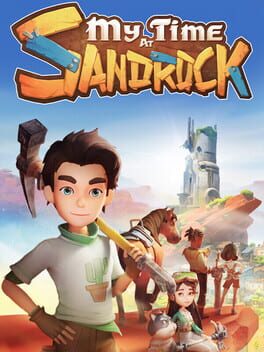
My Time at Sandrock
Optimization · Pure Optimization
Scheduling and production-chain planning in a workshop economy with light combat.
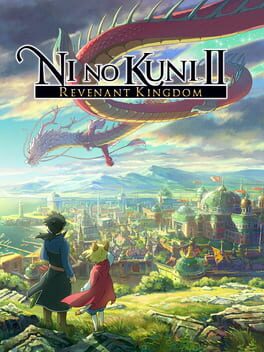
Ni no Kuni II: Revenant Kingdom
Optimization · Pure Optimization
Gentle action JRPG where building your kingdom matters more than any battle.
My Time at Sandrock leans Optimization (Pure Optimization); Ni no Kuni II: Revenant Kingdom leans Optimization (Pure Optimization).
My Time at SandrockNi no Kuni II: Revenant Kingdom
Axis by axis
Execution3 vs 3
Same score on execution - which means the number cannot separate them. The difference is in what each one asks of you.
My Time at Sandrock
Light action combat never gates progress seriously
Ni no Kuni II: Revenant Kingdom
Simple action combat, rarely demanding
Reads0 vs 0
Same score on reads - which means the number cannot separate them. The difference is in what each one asks of you.
My Time at Sandrock
Townsfolk and monsters run fixed routines
Ni no Kuni II: Revenant Kingdom
No adaptive opposition anywhere
Variance2 vs 2
Same score on variance - which means the number cannot separate them. The difference is in what each one asks of you.
My Time at Sandrock
Some gathering randomness, quickly mapped
Ni no Kuni II: Revenant Kingdom
Minor equipment drop randomness
Optimization7 vs 7
Same score on optimization - which means the number cannot separate them. The difference is in what each one asks of you.
My Time at Sandrock
Workshop production chains, scheduling and commissions are the game
Ni no Kuni II: Revenant Kingdom
Kingdom building and citizen recruitment dominate progression
A matching score does not mean a matching test. Two games can both sit at 10 on execution and demand completely different things of you - which is why the reasoning above matters more than the number beside it.