Building comparison
head to head
OsmosvsThe Legend of Zelda: Phantom Hourglass
Neither is harder. They score identically on all four axes, so the difference between them is in kind, not degree.

Osmos
Optimization · Pure Optimization
A meditative physics puzzle about plotting efficient absorption paths while spending mass wisely.
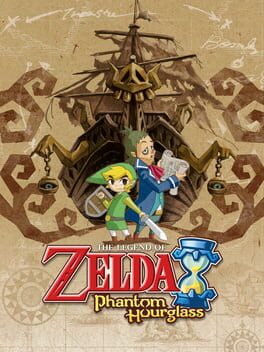
The Legend of Zelda: Phantom Hourglass
Optimization · Pure Optimization
Touch-controlled DS Zelda centered on re-running a timed stealth dungeon ever faster.
Osmos leans Optimization (Pure Optimization); The Legend of Zelda: Phantom Hourglass leans Optimization (Pure Optimization).
OsmosThe Legend of Zelda: Phantom Hourglass
Axis by axis
Execution3 vs 3
Same score on execution - which means the number cannot separate them. The difference is in what each one asks of you.
Osmos
Gentle propulsion nudges need patience more than twitch precision
The Legend of Zelda: Phantom Hourglass
Stylus controls are simple and forgiving
Reads0 vs 0
Same score on reads - which means the number cannot separate them. The difference is in what each one asks of you.
Osmos
Solo ambient drift - no adaptive opponent exists
The Legend of Zelda: Phantom Hourglass
Phantoms patrol fixed routes
Variance2 vs 2
Same score on variance - which means the number cannot separate them. The difference is in what each one asks of you.
Osmos
Mote layouts vary slightly but physics are fully visible
The Legend of Zelda: Phantom Hourglass
Sea exploration unknowns first run
Optimization7 vs 7
Same score on optimization - which means the number cannot separate them. The difference is in what each one asks of you.
Osmos
Planning efficient absorption paths while conserving mass is the game
The Legend of Zelda: Phantom Hourglass
Temple of the Ocean King rewards optimized repeat routing
A matching score does not mean a matching test. Two games can both sit at 10 on execution and demand completely different things of you - which is why the reasoning above matters more than the number beside it.