Building comparison
head to head
Persona 3 PortablevsShin Megami Tensei
Neither is meaningfully harder - they pose close to the same test. The widest gap is variance, and it is a single point.
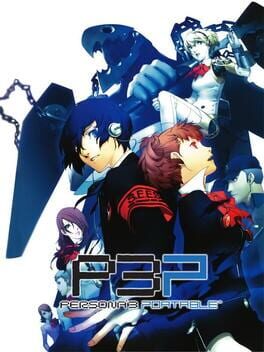
Persona 3 Portable
Optimization · Pure Optimization
Optimising a strict social calendar and fusion economy against scripted dungeon combat.

Shin Megami Tensei
Optimization · Pure Optimization
The original post-apocalyptic demon-fusing dungeon crawler where preparation and fusion knowledge decide survival.
Persona 3 Portable leans Optimization (Pure Optimization); Shin Megami Tensei leans Optimization (Pure Optimization).
Persona 3 PortableShin Megami Tensei
Axis by axis
Execution1 vs 1
Same score on execution - which means the number cannot separate them. The difference is in what each one asks of you.
Persona 3 Portable
Menu-driven combat needs no physical skill
Shin Megami Tensei
First-person menu battles; trivial inputs.
Reads0 vs 0
Same score on reads - which means the number cannot separate them. The difference is in what each one asks of you.
Persona 3 Portable
Shadows follow scripted weakness patterns, never adapt
Shin Megami Tensei
Demon negotiation is random, not adaptive.
Variance4 vs 5
Shin Megami Tensei leans a little harder on variance, though the gap is small.
Persona 3 Portable
Tartarus layouts and fusion results carry randomness
Shin Megami Tensei
Negotiation rolls, ambushes, and moon-phase RNG bite hard.
Optimization8 vs 8
Same score on optimization - which means the number cannot separate them. The difference is in what each one asks of you.
Persona 3 Portable
Calendar scheduling and persona fusion form a solvable system
Shin Megami Tensei
Fusion charts, alignment routes, and weakness mapping are solvable.
A matching score does not mean a matching test. Two games can both sit at 10 on execution and demand completely different things of you - which is why the reasoning above matters more than the number beside it.