Building comparison
head to head
Planet AlphavsToy Story 2: Buzz Lightyear to the Rescue
Neither is harder. They score identically on all four axes, so the difference between them is in kind, not degree.
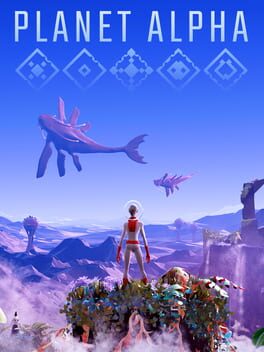
Planet Alpha
Execution · Practiced Mastery
A scripted puzzle-platformer testing light timing and one-time puzzle solving.
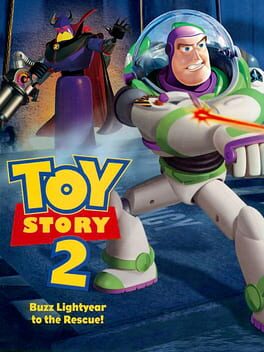
Toy Story 2: Buzz Lightyear to the Rescue
Execution · Practiced Mastery
Classic collectathon platformer sending Buzz through toy-scaled levels for Pizza Planet tokens.
Planet Alpha leans Execution (Practiced Mastery); Toy Story 2: Buzz Lightyear to the Rescue leans Execution (Practiced Mastery).
Planet AlphaToy Story 2: Buzz Lightyear to the Rescue
Axis by axis
Execution5 vs 5
Same score on execution - which means the number cannot separate them. The difference is in what each one asks of you.
Planet Alpha
Chase sequences and stealth timing demand modest precision
Toy Story 2: Buzz Lightyear to the Rescue
Platforming, spin attacks, and laser aim need modest precision
Reads0 vs 0
Same score on reads - which means the number cannot separate them. The difference is in what each one asks of you.
Planet Alpha
Enemies follow fixed patrol scripts, no adaptation
Toy Story 2: Buzz Lightyear to the Rescue
Scripted enemies and bosses, nothing adapts
Variance1 vs 1
Same score on variance - which means the number cannot separate them. The difference is in what each one asks of you.
Planet Alpha
Everything is scripted; nothing random after one playthrough
Toy Story 2: Buzz Lightyear to the Rescue
Static levels with fixed token placements
Optimization5 vs 5
Same score on optimization - which means the number cannot separate them. The difference is in what each one asks of you.
Planet Alpha
Day-night puzzle solutions are fixed and learnable
Toy Story 2: Buzz Lightyear to the Rescue
Pizza Planet token routing and boss patterns are learnable
A matching score does not mean a matching test. Two games can both sit at 10 on execution and demand completely different things of you - which is why the reasoning above matters more than the number beside it.
Related comparisons
Grand Theft Auto V vs Planet AlphaGrand Theft Auto V vs Toy Story 2: Buzz Lightyear to the RescuePlanet Alpha vs The Witcher 3: Wild HuntThe Witcher 3: Wild Hunt vs Toy Story 2: Buzz Lightyear to the RescueGrand Theft Auto: San Andreas vs Planet AlphaGrand Theft Auto: San Andreas vs Toy Story 2: Buzz Lightyear to the Rescue