Building comparison
head to head
Prince of Persia: The Sands of TimevsThe Legend of Zelda: Skyward Sword
Neither is meaningfully harder - they pose close to the same test. The widest gap is optimization, and it is a single point.
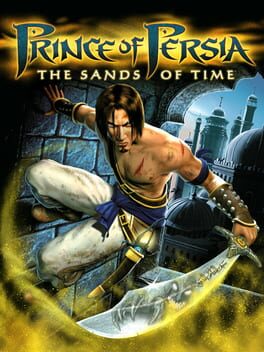
Prince of Persia: The Sands of Time
Optimization · Practiced Mastery
Acrobatic puzzle-platformer where rewinding time turns every fatal mistake into a do-over.
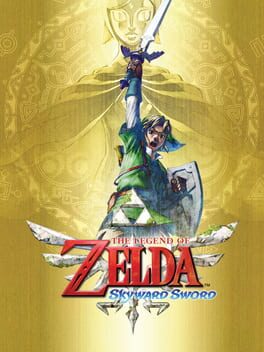
The Legend of Zelda: Skyward Sword
Optimization · Practiced Mastery
Motion-controlled Zelda where every swing's direction matters against blocking foes.
Prince of Persia: The Sands of Time leans Optimization (Practiced Mastery); The Legend of Zelda: Skyward Sword leans Optimization (Practiced Mastery).
Prince of Persia: The Sands of TimeThe Legend of Zelda: Skyward Sword
Axis by axis
Execution5 vs 5
Same score on execution - which means the number cannot separate them. The difference is in what each one asks of you.
Prince of Persia: The Sands of Time
Acrobatic platforming chains need timing; rewind softens failure
The Legend of Zelda: Skyward Sword
Directional motion swordplay demands deliberate angled swings
Reads0 vs 0
Same score on reads - which means the number cannot separate them. The difference is in what each one asks of you.
Prince of Persia: The Sands of Time
Sand creatures attack on fixed cues
The Legend of Zelda: Skyward Sword
Enemies telegraph fixed blocking stances
Variance1 vs 1
Same score on variance - which means the number cannot separate them. The difference is in what each one asks of you.
Prince of Persia: The Sands of Time
Rewind power removes most consequence of surprise
The Legend of Zelda: Skyward Sword
Linear and authored
Optimization6 vs 7
The Legend of Zelda: Skyward Sword leans a little harder on optimization, though the gap is small.
Prince of Persia: The Sands of Time
Route reading and dagger resource management solve each room
The Legend of Zelda: Skyward Sword
Dense dungeon puzzles and item logic
A matching score does not mean a matching test. Two games can both sit at 10 on execution and demand completely different things of you - which is why the reasoning above matters more than the number beside it.
full breakdown
Prince of Persia: The Sands of Time →
full breakdown
The Legend of Zelda: Skyward Sword →
Related comparisons
Grand Theft Auto V vs Prince of Persia: The Sands of TimeGrand Theft Auto V vs The Legend of Zelda: Skyward SwordPrince of Persia: The Sands of Time vs The Witcher 3: Wild HuntThe Legend of Zelda: Skyward Sword vs The Witcher 3: Wild HuntGrand Theft Auto: San Andreas vs Prince of Persia: The Sands of TimeGrand Theft Auto: San Andreas vs The Legend of Zelda: Skyward Sword