Building comparison
head to head
Prince of Persia: The Sands of TimevsThe Wonderful End of the World
Neither is harder. They score identically on all four axes, so the difference between them is in kind, not degree.
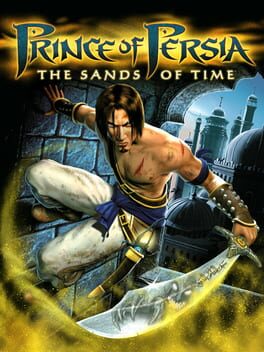
Prince of Persia: The Sands of Time
Optimization · Practiced Mastery
Acrobatic puzzle-platformer where rewinding time turns every fatal mistake into a do-over.
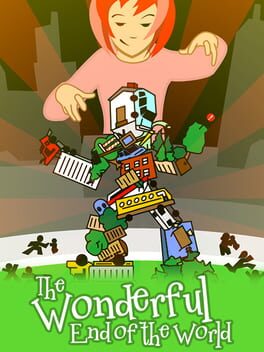
The Wonderful End of the World
Optimization · Practiced Mastery
A Katamari-style game about routing through levels absorbing objects against a timer.
Prince of Persia: The Sands of Time leans Optimization (Practiced Mastery); The Wonderful End of the World leans Optimization (Practiced Mastery).
Prince of Persia: The Sands of TimeThe Wonderful End of the World
Axis by axis
Execution5 vs 5
Same score on execution - which means the number cannot separate them. The difference is in what each one asks of you.
Prince of Persia: The Sands of Time
Acrobatic platforming chains need timing; rewind softens failure
The Wonderful End of the World
Movement and timed absorption need modest dexterity
Reads0 vs 0
Same score on reads - which means the number cannot separate them. The difference is in what each one asks of you.
Prince of Persia: The Sands of Time
Sand creatures attack on fixed cues
The Wonderful End of the World
No adaptive opponent in this solo collection game
Variance1 vs 1
Same score on variance - which means the number cannot separate them. The difference is in what each one asks of you.
Prince of Persia: The Sands of Time
Rewind power removes most consequence of surprise
The Wonderful End of the World
Object placement is fixed, nothing random
Optimization6 vs 6
Same score on optimization - which means the number cannot separate them. The difference is in what each one asks of you.
Prince of Persia: The Sands of Time
Route reading and dagger resource management solve each room
The Wonderful End of the World
Efficient routing to absorb maximum objects in time is key
A matching score does not mean a matching test. Two games can both sit at 10 on execution and demand completely different things of you - which is why the reasoning above matters more than the number beside it.
Related comparisons
Grand Theft Auto V vs Prince of Persia: The Sands of TimeGrand Theft Auto V vs The Wonderful End of the WorldPrince of Persia: The Sands of Time vs The Witcher 3: Wild HuntThe Witcher 3: Wild Hunt vs The Wonderful End of the WorldGrand Theft Auto: San Andreas vs Prince of Persia: The Sands of TimeGrand Theft Auto: San Andreas vs The Wonderful End of the World