Building comparison
head to head
Recettear: An Item Shop's TalevsThe Elder Scrolls V: Skyrim
Recettear: An Item Shop's Tale asks more than The Elder Scrolls V: Skyrim, and the gap is variance.
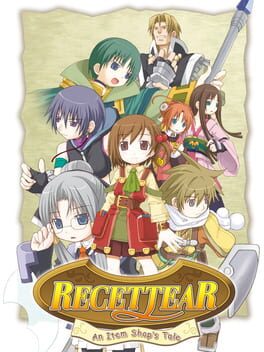
Recettear: An Item Shop's Tale
Optimization · Pure Optimization
Item-shop management sim where you set prices to pay off a fairy's loan.
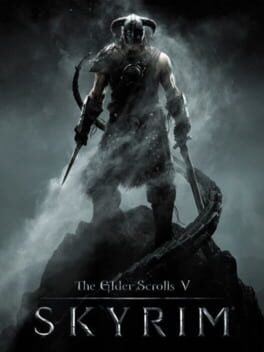
The Elder Scrolls V: Skyrim
Optimization · Pure Optimization
An open-world RPG mostly about discovering and stacking exploitable progression systems.
Recettear: An Item Shop's Tale leans Optimization (Pure Optimization); The Elder Scrolls V: Skyrim leans Optimization (Pure Optimization).
Recettear: An Item Shop's TaleThe Elder Scrolls V: Skyrim
Axis by axis
Execution3 vs 3
Same score on execution - which means the number cannot separate them. The difference is in what each one asks of you.
Recettear: An Item Shop's Tale
Light action combat in optional dungeon crawls.
The Elder Scrolls V: Skyrim
Combat is forgiving; aim and timing rarely punish you.
Reads0 vs 0
Same score on reads - which means the number cannot separate them. The difference is in what each one asks of you.
Recettear: An Item Shop's Tale
Customer haggling follows mappable scripted tolerances.
The Elder Scrolls V: Skyrim
Enemy AI is scripted and exploitable; not adaptive.
Variance4 vs 2
Recettear: An Item Shop's Tale leans clearly harder on variance.
Recettear: An Item Shop's Tale
Market price swings and dungeon loot rolls.
The Elder Scrolls V: Skyrim
Loot tables and leveled lists inject mild randomness.
Optimization9 vs 7
Recettear: An Item Shop's Tale leans clearly harder on optimization.
Recettear: An Item Shop's Tale
Pricing margins, stock, and debt schedule are nearly solvable.
The Elder Scrolls V: Skyrim
Skill stacking, enchant loops, and exploits are deeply solvable.
A matching score does not mean a matching test. Two games can both sit at 10 on execution and demand completely different things of you - which is why the reasoning above matters more than the number beside it.